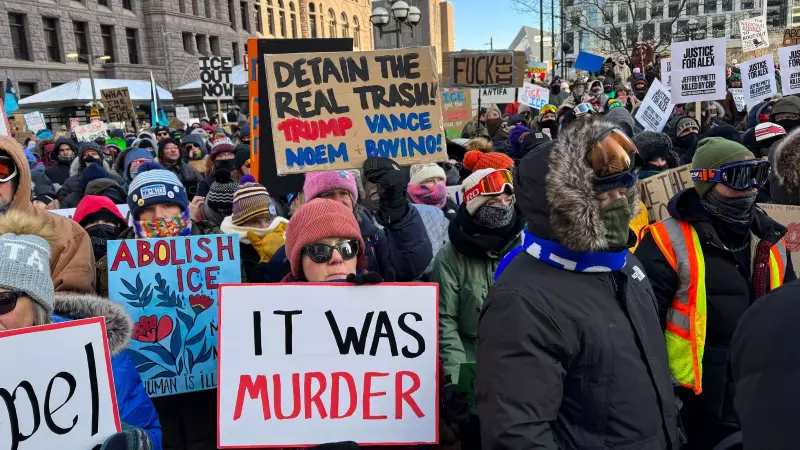
Minnesota Federal Judge Mandates ICE Chief's Court Appearance in Detention Case
A federal judge in Minnesota has issued a significant order requiring the chief of U.S. Immigration and Customs Enforcement (ICE) to appear in court. This directive comes amid ongoing legal proceedings related to immigrant detention practices, underscoring the judiciary's active role in scrutinizing immigration enforcement actions.
Judicial Intervention in Immigration Matters
The court's decision marks a notable instance of judicial intervention in immigration affairs, where a judge is compelling a high-ranking official to address concerns directly. This move reflects growing legal challenges to detention policies and aims to ensure accountability within the immigration system.
By ordering the ICE chief's appearance, the judge seeks to clarify detention protocols and assess compliance with legal standards. This step could influence future cases and set precedents for how courts interact with immigration authorities.

Implications for Immigrant Detention Practices
The case highlights broader issues surrounding immigrant detention, including conditions and procedural fairness. Legal experts suggest that such judicial orders may lead to increased transparency and reforms in detention operations.
As immigration remains a contentious topic, this development adds to the ongoing debate over enforcement methods and the rights of detainees. It underscores the balance between national security interests and humanitarian considerations.
Context and Reactions
This order follows previous legal disputes over ICE's detention practices, with advocates calling for more oversight. The court's action is seen as a response to persistent concerns about the treatment and legal representation of immigrants in custody.
Reactions from stakeholders vary, with some praising the judge's decision as a step toward justice, while others caution about potential impacts on immigration enforcement efficiency. The outcome of this case could have far-reaching effects on policy and litigation in the immigration domain.