

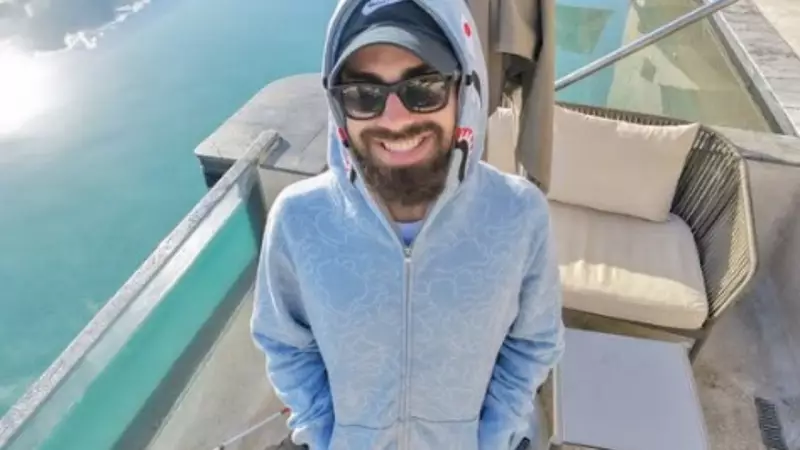
Canadian Mother's Grief Ignites National Debate on Euthanasia Ethics
A Canadian mother's world has been shattered following the death of her 26-year-old son through the country's Medical Assistance in Dying (MAID) program. Margaret Marsilla, a resident of Canada, is mourning the loss of her son Kiano Vafaeian, who died by euthanasia on December 30, despite not having any terminal illness.
Non-Terminal Conditions Lead to Government-Approved Death
Kiano Vafaeian suffered from type 1 diabetes, partial blindness, and depression – conditions that are serious but not considered terminal under traditional medical definitions. According to reports from The Free Press, the young man was approved for Canada's government euthanasia scheme, leaving his mother devastated and protesting the decision.
"This is not healthcare. This is a failure of ethics, accountability, and humanity," Marsilla wrote on social media. "No parent should ever have to bury their child because a system – and a doctor – chose death over care, help or love. I promise I will fight tooth and nail for my son, and other parents who too have children that suffer from mental illness."

Previous Intervention and Temporary Reprieve
The tragic case has a complex history dating back to September 2022, when Marsilla discovered her then-23-year-old son had been scheduled for physician-assisted dying. At that time, Kiano had lost vision in one eye and was unemployed. His mother raised the alarm on social media, generating significant backlash against the medical community and successfully stalling the procedure.
"He was alive because people stepped in when he was vulnerable – not capable of making a final, irreversible decision," Marsilla recalled about the 2022 incident. She asserted that her son's mental health had been showing gradual improvement following that intervention.
Signs of Recovery Before Final Decision
In the months leading up to his death, Kiano had reportedly agreed to accept financial support from his mother and was actively saving money for travel. According to Marsilla, her son was working out regularly and making positive strides toward better health, suggesting a potential path toward recovery and stability.
The Final Days and Last Wishes
The sequence of events in December paints a poignant picture of Kiano's final days. On December 15, he flew to a resort in Mexico, checked out two nights later, and then traveled to Vancouver. On December 29, he sent a chilling text message to his family, informing them he was scheduled to die the following day.
Just before his death, Vafaeian visited a law firm in Vancouver to sign his will. He reportedly told the executor that he wanted "the world to know his story" and to advocate for expanded access to MAID. Specifically, he expressed his belief that "young people with severe unrelenting pain and blindness should be able to access MAID," just as terminally ill patients can.
Canada's Evolving Euthanasia Laws
This case emerges against the backdrop of Canada's evolving euthanasia legislation. The country first introduced euthanasia in 2016, initially restricting it to terminally ill adults and those suffering from incurable diseases. However, in 2021, the requirement for terminal illness was removed, expanding eligibility to include people with chronic illnesses or disabilities.
The expansion has sparked intense ethical debates about where to draw the line between compassionate end-of-life care and potentially premature death for those suffering from non-terminal conditions. Kiano Vafaeian's story has become a focal point in this ongoing national conversation about mental health support, disability rights, and the ethical boundaries of assisted dying.
Margaret Marsilla's grief has transformed into advocacy as she vows to fight for systemic changes that would prevent similar tragedies. Her son's death raises fundamental questions about:

- The adequacy of mental health support systems
- The criteria for euthanasia eligibility
- The role of family in end-of-life decisions
- The balance between individual autonomy and protective safeguards
As Canada continues to grapple with the implications of its MAID program, stories like Kiano Vafaeian's serve as powerful reminders of the human cost behind policy decisions and the complex intersection of medicine, ethics, and personal suffering.





