

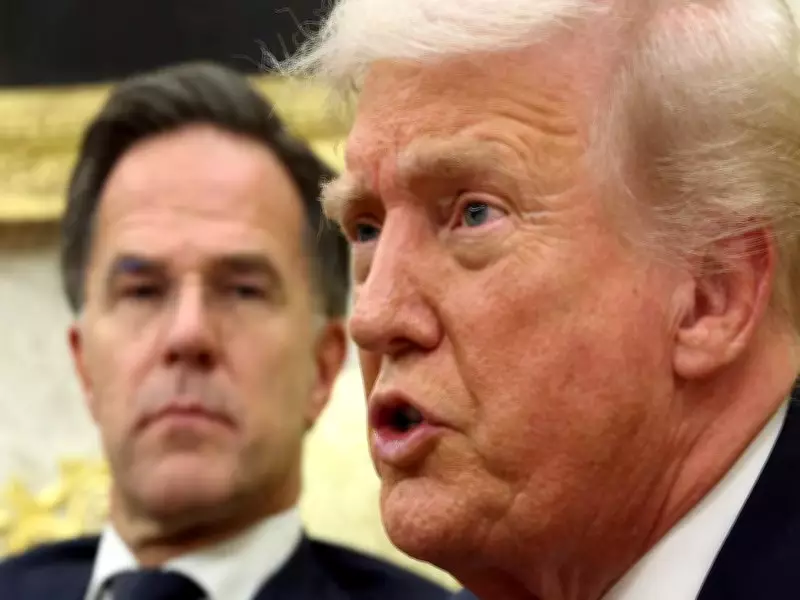
NATO Chief Ruthe to Visit Washington as Trump's Withdrawal Threats Spark Concern Over Iran War Support
In a critical diplomatic move, NATO Secretary-General Mark Rutte is scheduled to visit Washington, D.C., as escalating threats from former U.S. President Donald Trump to withdraw from the alliance have ignited widespread concern among global leaders. This visit comes at a pivotal moment when NATO's role in supporting potential military actions against Iran is under intense scrutiny, raising alarms about the stability of international security frameworks.
Trump's Withdrawal Threats and Their Implications
Donald Trump, the presumptive Republican nominee for the upcoming U.S. presidential election, has repeatedly threatened to pull the United States out of NATO if re-elected. These statements have sent shockwaves through the international community, particularly as they coincide with heightened tensions in the Middle East. Experts warn that such a withdrawal could severely undermine NATO's collective defense mechanisms, potentially weakening support for allied operations, including those related to Iran's aggressive posturing and nuclear ambitions.
The timing of Rutte's visit is seen as a strategic effort to reinforce transatlantic ties and address these pressing security challenges head-on. NATO officials emphasize that the alliance's unity is crucial for deterring adversaries and maintaining peace, especially in volatile regions like the Middle East.

Focus on Iran War Support and Global Security
Amidst these political uncertainties, NATO's potential involvement in supporting a conflict with Iran has become a focal point of discussion. The alliance has historically played a key role in coordinating military strategies and providing logistical support for member states. However, Trump's threats have cast doubt on the U.S.'s commitment to such efforts, prompting fears that a reduced American presence could embolden Iran and destabilize the region further.
Analysts note that Rutte's discussions in Washington are likely to center on reaffirming NATO's core principles and exploring contingency plans to ensure continued collaboration, regardless of the U.S. political landscape. This includes bolstering defense spending among European allies and enhancing joint exercises to demonstrate resolve against common threats.
Broader Impact on International Relations
The situation underscores the fragile nature of global alliances in an era of shifting geopolitical dynamics. NATO, founded on the premise of mutual defense, faces unprecedented challenges as internal divisions and external pressures mount. Rutte's visit is expected to highlight the importance of diplomatic engagement and collective action in addressing complex issues like Iran's military activities and regional conflicts.
- Strengthening NATO's operational capabilities to counter emerging threats.
- Promoting dialogue to mitigate risks associated with potential U.S. withdrawal.
- Ensuring that support for Iran-related security measures remains robust and coordinated.
As the world watches closely, the outcome of these talks could have far-reaching consequences for international peace and stability, making Rutte's mission to Washington a defining moment in contemporary diplomacy.






