Netanyahu Confronts Domestic Backlash as Iran Truce Sparks Political Crisis
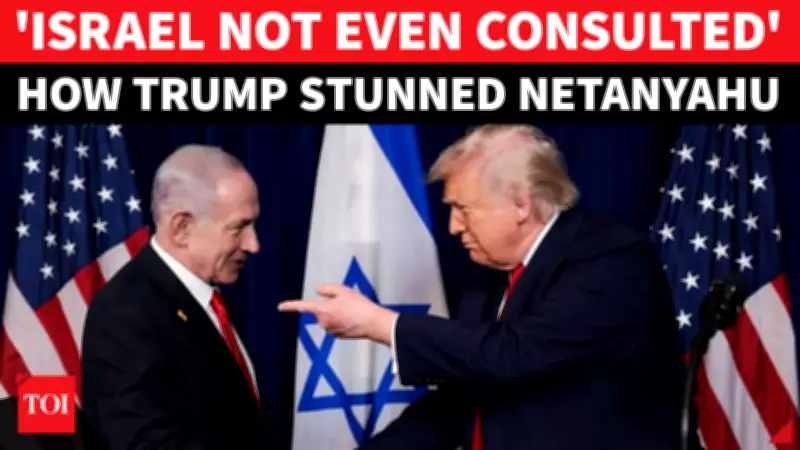
Israeli Prime Minister Benjamin Netanyahu is facing severe domestic criticism and political humiliation following a controversial ceasefire agreement between the United States and Iran. Reports indicate that Netanyahu had explicitly warned U.S. President Donald Trump against pursuing a truce with Iran during a recent phone conversation. Despite these warnings, the Washington administration proceeded with the deal, compelling Israel to publicly support the decision.
Opposition Leader Lambasts Deal as a National Disaster
Yair Lapid, the leader of Israel's opposition, has launched a scathing attack on the agreement, labeling it the "biggest disaster for Israel" in recent memory. Lapid argued that the nation's core war objectives remain unfulfilled and criticized Netanyahu for being effectively sidelined during the critical negotiation phases. This political fallout underscores deepening divisions within Israel's government over foreign policy and national security strategy.
Lebanon Ceasefire Dispute Intensifies Regional Tensions
A significant point of contention has emerged regarding the ceasefire's applicability to Lebanon. Netanyahu has asserted that the truce does not cover Lebanese territory, maintaining that the Israel Defense Forces (IDF) will continue military strikes against Hezbollah operatives in the region. However, this position has been directly contradicted by Pakistani Prime Minister Shehbaz Sharif, who stated that the ceasefire should apply universally, "everywhere," including Lebanon. This diplomatic clash highlights the complex and volatile nature of Middle Eastern geopolitics, with Lebanon now emerging as a potential new flashpoint for conflict.

Strategic Implications and Regional Reactions
The unfolding scenario presents multiple strategic challenges for Israel. The perceived humiliation of Netanyahu on the international stage, coupled with internal political dissent, could weaken Israel's negotiating position in future diplomatic engagements. Furthermore, the ambiguous status of the Lebanon ceasefire risks escalating hostilities with Hezbollah, potentially drawing other regional actors into the fray. The situation remains fluid, with analysts closely monitoring responses from key stakeholders including Iran, the United States, and neighboring Arab states.
As Israel grapples with this diplomatic setback, the broader implications for regional stability and Israel's long-term security posture are coming under intense scrutiny. The coming days are likely to see continued political maneuvering and possible military adjustments as all parties assess the fallout from this contentious truce agreement.