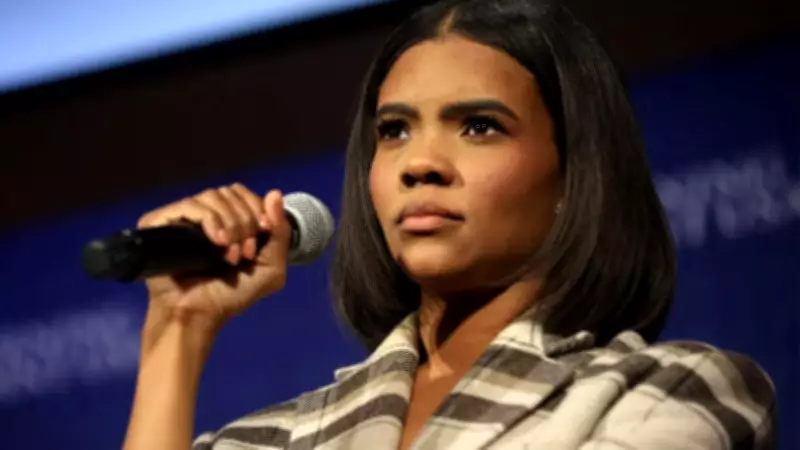
Candace Owens Alleges Defense Overlooked Critical FBI Detail in Tyler Robinson Case
Conservative commentator Candace Owens made a significant assertion this week regarding the legal proceedings connected to Charlie Kirk, claiming she discovered a crucial element within court documents that even the legal team of the primary suspect, Tyler Robinson, might have overlooked. The controversy ignited after Robinson's defense attorneys petitioned the court to postpone the preliminary hearing, citing that an ATF report failed to definitively link a bullet fragment to the rifle authorities believe was utilized in the homicide.
Owens Points to FBI Involvement as Pivotal Oversight
During her Tuesday podcast episode, Owens directed her audience's attention to a subtle yet potentially case-altering detail embedded in the same legal filing. She read directly from the document, emphasizing a line where the defense noted that while the ATF could not confirm the ballistic match, prosecutors indicated the FBI was now conducting a secondary analysis.
"Okay, pay attention, Tyler Robinson's defense team. I'm about to help you out in a big way," Owens declared, questioning the necessity of FBI intervention if the ATF, the specialized agency for firearms examination, was unable to establish a clear connection. "The ATF is alcohol, tobacco, and firearms... If they couldn't do it, what extra power does the FBI have to do it?" she argued, suggesting this point could reshape public perception of the entire case and hint at Robinson possibly not acting alone.

Forensic Method Under Scrutiny: Bullet Lead Analysis
Owens delved deeper into the type of testing referenced, identifying it as bullet lead analysis (CBLA). After conducting her own research, she contended that this forensic technique was discontinued approximately two decades ago due to its unreliability and inconsistent results.
"It's been gone for 20 years. Wake up, Tyler Robinson's defense team... This is them telling you they're going to make this bullet fit no matter what," Owens asserted, accusing federal agencies of attempting to forcibly associate the bullet with the rifle. She further challenged another critical aspect of the prosecution's case—the claim that Robinson's DNA was found on the weapon.
To illustrate her skepticism, Owens explained, "If someone came to my house and stole my gun, my DNA would be on the weapon, but that would not mean I fired it." Her commentary raises profound concerns about forensic accuracy and the integrity of the investigative process in high-profile legal matters.
Context and Clarification on Owens' Claims
It is essential to recognize that these allegations represent Owens' personal perspectives shared exclusively on her podcast platform. No official verification or confirmation has been provided to substantiate her worries regarding the FBI's methodologies in this specific instance. The legal proceedings continue to unfold, with both the defense and prosecution preparing their respective arguments based on available evidence and expert testimonies.
The broader implications of Owens' statements touch on issues of judicial transparency, forensic science standards, and the potential for prosecutorial overreach. As the case advances, observers and legal analysts will closely monitor how these elements influence court decisions and public discourse surrounding justice and accountability.