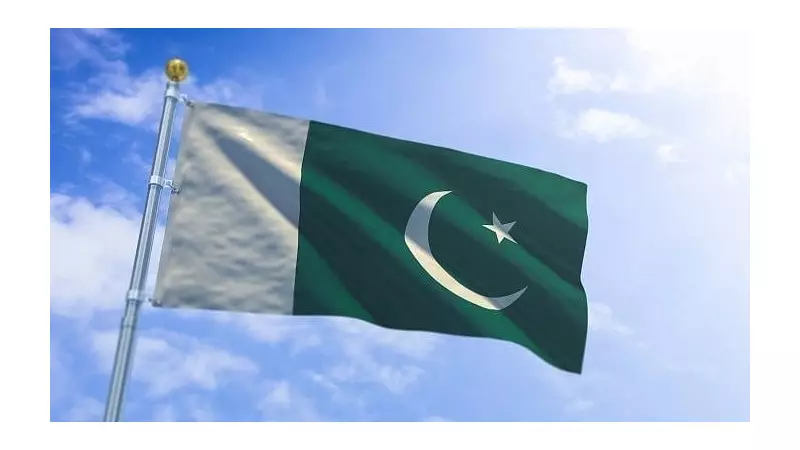
In a significant political development, Pakistan's ruling Pakistan Muslim League-Nawaz (PML-N) has secured a decisive victory in the recent by-elections, consolidating its position ahead of crucial national decisions. The party demonstrated its electoral strength by winning an overwhelming majority of contested seats across the country.
Landslide Victory for Ruling Coalition
The by-elections, held across multiple constituencies, saw PML-N candidates emerge victorious in 23 out of 27 seats that went to polls. This impressive performance comes despite a boycott by major opposition parties, including the Pakistan Tehreek-e-Insaf (PTI) led by imprisoned former Prime Minister Imran Khan.
According to official results released by the Election Commission of Pakistan, the ruling party secured seats in various provincial and national assemblies. The elections were particularly significant as they represented the first major electoral test since the controversial February general elections that were marred by allegations of rigging and manipulation.

Opposition Boycott and Political Context
The main opposition parties, including PTI and Jamaat-e-Islami, had announced they would boycott the by-polls, citing what they described as an "engineered electoral process" and expressing lack of confidence in the transparency of the elections. This boycott significantly reduced political competition in many constituencies, allowing PML-N candidates to secure victories with minimal opposition.
The political landscape in Pakistan remains highly polarized following the February elections, which saw PML-N return to power through a coalition government. The current administration, led by Prime Minister Shehbaz Sharif, has been navigating economic challenges and international relations while maintaining political stability.
Strategic Implications and Future Outlook
This electoral success provides the ruling party with additional legislative strength at both provincial and national levels. The victory is particularly important as the government prepares for crucial economic reforms and potential negotiations with international financial institutions.
Political analysts suggest that the by-election results demonstrate the current administration's ability to mobilize its political base despite ongoing economic challenges. However, the opposition's boycott raises questions about the inclusiveness of the political process and the potential for further polarization in Pakistani politics.
The results also come at a time when former Prime Minister Nawaz Sharif, the party's supremo, has been actively involved in political strategizing. His leadership continues to influence the party's direction and electoral strategies, even as the current government faces multiple challenges on both domestic and international fronts.
As Pakistan moves forward, these election results are likely to shape political dynamics in the coming months, particularly as the country prepares for larger electoral contests in the future. The ruling party's strengthened position may facilitate smoother legislative processes, but could also intensify opposition criticism about democratic transparency.