

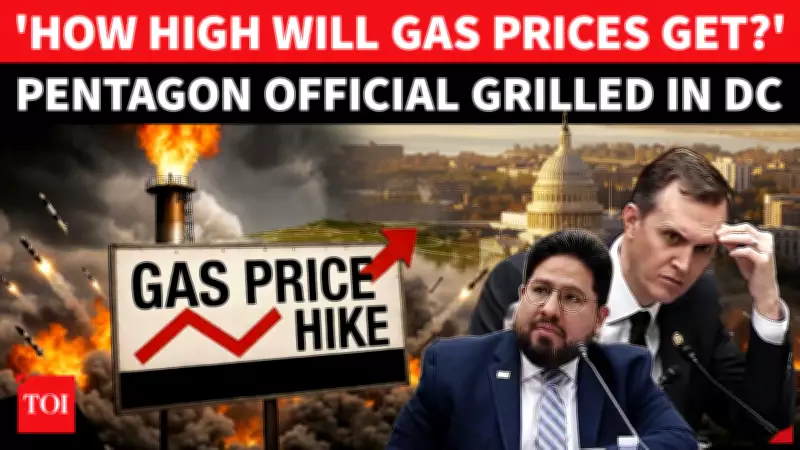
Pentagon Official Sidesteps Questions on Fuel Cost Surge Amid Iran Tensions
A tense exchange occurred in Washington as a Pentagon official faced intense scrutiny over escalating fuel costs linked to the ongoing conflict with Iran. During a recent hearing, Mr. Humire was directly questioned on whether the United States Department of Defense had conducted any forecasts predicting how high gas prices might climb as hostilities intensify.
Uncertainty Over Energy Security and Consumer Impact
With global energy routes, particularly around the critical Strait of Hormuz, under significant strain, American consumers are grappling with mounting uncertainty regarding their fuel expenses. The strategic waterway is a vital conduit for oil shipments, and any disruption there could have far-reaching consequences for gasoline prices across the United States.
Mr. Humire's response, characterized by evasion, has sparked concerns about transparency and preparedness. When pressed for specifics, he reportedly stated, "Will get back...", leaving lawmakers and the public without clear answers on potential economic impacts.

Broader Implications of the Iran Conflict
The situation underscores the interconnected nature of geopolitical conflicts and domestic economic stability. As tensions with Iran escalate, key factors influencing gas prices include:
- Potential disruptions to oil supplies through the Strait of Hormuz.
- Increased military expenditures and their effect on national budgets.
- Market volatility driven by fears of prolonged conflict.
- Global reactions and sanctions that could further tighten oil markets.
This hearing highlights how international crises can directly affect everyday Americans, with rising fuel costs potentially straining household budgets and impacting broader economic indicators. The Pentagon's reluctance to provide forecasts may indicate either a lack of analysis or a strategic decision to withhold sensitive information, both scenarios raising questions about governance and crisis management.
As the conflict continues, stakeholders from policymakers to ordinary citizens will be closely monitoring developments, hoping for clarity and stability in energy markets to mitigate financial hardships.






