Pentagon Leadership Turmoil Deepens Amid Iran Conflict and Political Tensions
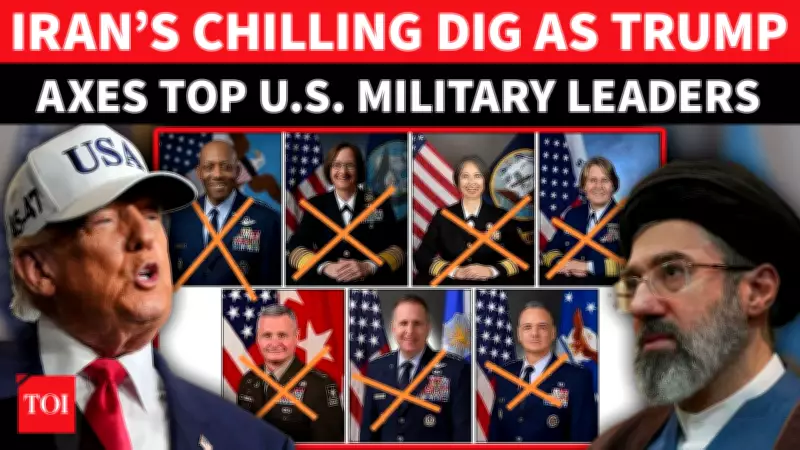
A significant leadership shake-up within the Pentagon has intensified dramatically, sparking widespread speculation about deep internal divisions within the U.S. military as tensions with Iran escalate. The departure of Randy George from his post as Army Chief has become a focal point, fueling claims of a broader, systematic purge under the direction of Defense Secretary Pete Hegseth. This development comes at a critical juncture, with military operations expanding in the region and strategic decisions hanging in the balance.
Speculation Over Iran Ground Invasion and Internal Discord
Analysts and defense experts are increasingly suggesting that this leadership overhaul may be directly linked to fundamental disagreements over potential military strategy, particularly concerning a large-scale ground invasion of Iran. While no official reason has been provided for George's removal or the other personnel changes, the timing and scope point toward a possible clash over war planning and operational priorities. The absence of transparent explanations has only served to heighten concerns about the decision-making processes at the highest levels of the U.S. Department of Defense.
Iran's Mocking Response and Political Provocations
In a provocative move, Iran has publicly mocked the unfolding turmoil within the Pentagon, characterizing the leadership changes as evidence of a "regime change" within Washington's power structures. Iranian officials have gone further, even suggesting that former President Donald Trump should be ousted from his political influence, adding a layer of domestic political commentary to the international military crisis. This rhetoric aims to exploit the visible instability and portray the United States as politically fractured and militarily uncertain.

Growing Concerns Over Politicization and Military Instability
As leadership transitions continue to mount and military engagements with Iran and its proxies expand, serious concerns are growing among policymakers, allies, and analysts regarding the increasing politicization of the U.S. military's upper echelons. The rapid changes suggest a potential erosion of traditional, experience-based leadership in favor of political alignment, which could compromise strategic coherence and operational effectiveness. This instability at the pinnacle of U.S. defense leadership raises critical questions about command continuity and long-term security planning during a period of heightened global conflict.
The situation remains fluid, with the Pentagon yet to issue detailed clarifications on the rationale behind the purge or its implications for ongoing and future military operations against Iran. The international community watches closely as these internal dynamics unfold against the backdrop of an already volatile geopolitical landscape.