

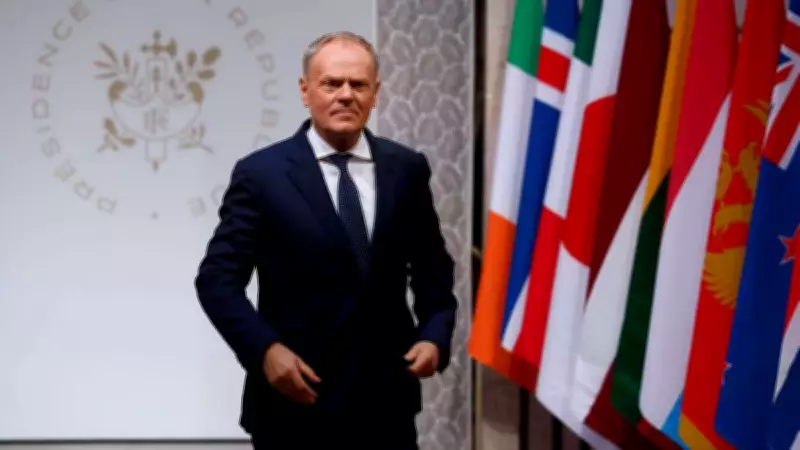
Polish PM Tusk Rebukes Trump Over NATO Threats Amid Gulf Conflict
Polish Prime Minister Donald Tusk has issued a sharp rebuke to former US President Donald Trump over his recent threats against NATO, cautioning that such statements risk destabilizing the alliance during a critical period of escalating tensions in the Gulf region. Tusk's comments come as global leaders grapple with the implications of Trump's rhetoric on international security and cooperation.
Trump's NATO Remarks Spark International Concern
Former President Donald Trump has repeatedly made controversial statements regarding NATO, including threats to withdraw US support or encourage Russia to act against member nations that do not meet defense spending targets. These remarks have raised alarms among European allies, who view NATO as a cornerstone of collective defense, especially amid ongoing conflicts and geopolitical shifts.
Tusk emphasized that Trump's approach appears to align with Russian President Vladimir Putin's strategic interests, potentially weakening Western unity. "It looks like Putin's dream plan," Tusk remarked, highlighting concerns that divisive rhetoric could embolden adversaries and undermine decades of transatlantic partnership.

Gulf Conflict Adds to Global Security Pressures
The rebuke from Tusk occurs against the backdrop of heightened tensions in the Gulf, where regional conflicts and proxy wars have intensified, posing significant risks to global stability. NATO's role in such crises is under scrutiny, with member states calling for a unified response to threats in the Middle East and beyond.
Tusk warned that internal discord within NATO, fueled by Trump's threats, could compromise the alliance's ability to address these challenges effectively. He stressed the importance of solidarity and mutual defense commitments, particularly as Poland and other Eastern European nations face increased security pressures from Russia.
Implications for NATO and International Relations
The exchange between Tusk and Trump underscores broader debates about NATO's future and the role of the United States in global security. Key points include:
- Defense Spending: Trump's focus on member contributions has sparked discussions about burden-sharing within the alliance.
- Alliance Cohesion: Tusk's criticism highlights fears that political divisions could erode trust and operational effectiveness.
- Geopolitical Strategy: The situation reflects ongoing tensions between Western powers and rivals like Russia, with implications for conflicts in regions such as the Gulf.
As the Gulf conflict continues to evolve, Tusk's remarks serve as a reminder of the need for steadfast alliance cooperation. The Polish leader called for renewed commitment to NATO principles, urging leaders to prioritize collective security over partisan politics in these turbulent times.






