

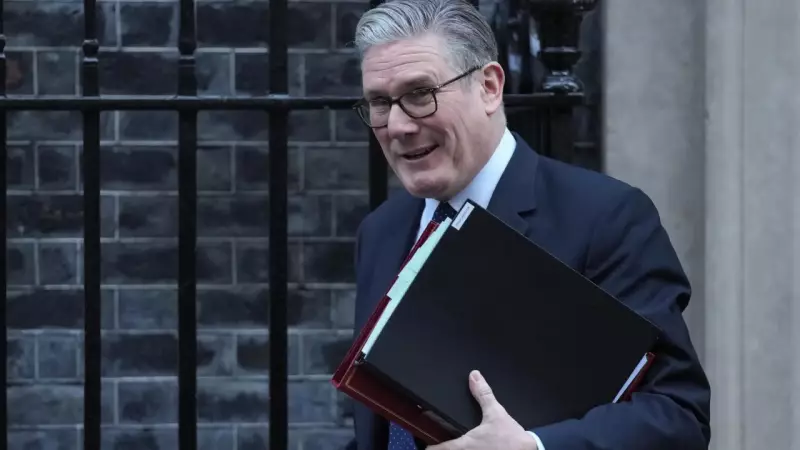
UK Prime Minister Keir Starmer triggered laughter and uproar in the House of Commons on Wednesday. He delivered a withering rebuke to the Conservative Party during Prime Minister's Questions. Starmer told Members of Parliament that the Tories had held more positions in fourteen years than the famous Kama Sutra.
Defending Labour's Policy Shift
The remark came as Starmer defended his government against accusations of repeated policy U-turns. This followed Labour's decision to drop plans for a mandatory digital ID card for working in Britain. Conservative leader Kemi Badenoch seized on this reversal. She branded the original proposal a rubbish policy and accused the Prime Minister of inconsistency.
Turning the Tables on the Tories
Starmer responded by turning the charge back onto the Conservatives. He listed what he called their record of chaos during their time in government. The Prime Minister told the Commons they had seen five prime ministers, six chancellors, eight home secretaries, and sixteen housing ministers. He stated they had more positions in fourteen years than the Kama Sutra. Starmer added no wonder they were knackered, and they left the country screwed.

The sharp jibe left MPs on both sides of the House audibly reacting. It briefly cut through an otherwise combative session dominated by rows over policy reversals.
The Digital ID Controversy
At the centre of the clash was Labour's climbdown on the digital ID proposal. Ministers had initially proposed introducing a free digital ID to prove the right to work. This was part of efforts to curb illegal migration into the country. However, following significant public backlash and political opposition, officials confirmed the ID would no longer be mandatory for employment.
Government's Stance Remains Firm
Despite this apparent shift, Starmer insisted the government had not softened its overall stance. He declared he was determined to make it harder for people to work illegally in the UK. The Prime Minister stated there would be checks, they would be digital, and they would be mandatory.
Chancellor Rachel Reeves echoed that position. She said the right to work would still depend on digital verification. This could be through an e-passport, an e-visa, or another approved digital format. Reeves noted the government was pretty relaxed about what specific form that verification takes.
Political Reactions and Broader Attacks
Critics claimed the reversal was a victory for individual liberty. Reform UK leader Nigel Farage called the original plan authoritarian. He vowed to scrap digital ID entirely if his party ever wins power.
Kemi Badenoch broadened her attack by pointing to other Labour policy reversals. These included changes to inheritance tax on farmland and adjustments to welfare policies. Starmer defended his government's direction in response. He argued the economy was turning a corner and dismissed Conservative attacks as lacking credibility.
The fiery exchange highlighted the ongoing political battles in Westminster. It underscored the tensions surrounding immigration policy and digital governance in the United Kingdom.






