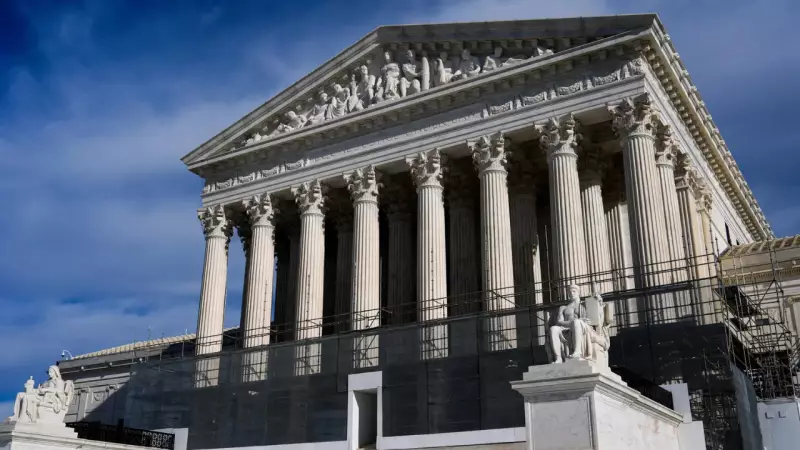
The United States Supreme Court delivered three separate decisions on Wednesday. However, the justices did not rule on the highly anticipated legal challenge to former President Donald Trump's global tariffs. This delay keeps financial markets and governments around the world in suspense. They are waiting for clarity on a case with profound economic consequences.
Court Offers No Timeline for Crucial Tariffs Decision
According to Reuters, the court provided no indication about when it might issue a ruling on the tariffs dispute. The court followed its standard practice by not announcing in advance which cases it would decide on Wednesday. This marked the second consecutive decision day where the court passed over the opportunity to deliver a verdict on this critical matter.
A Major Test of Presidential Authority
Legal experts view this case as a significant test of presidential powers. It also tests the Supreme Court's willingness to scrutinize Trump's expansive claims of authority since he returned to office in January 2025. The outcome is expected to have a substantial impact on global trade flows and the broader international economy.

The core of the dispute centers on Trump's use of a 1977 law known as the International Emergency Economic Powers Act. He used this law to impose sweeping tariffs on various trade partners by declaring multiple national emergencies. During oral arguments heard in early November, justices from both conservative and liberal wings appeared skeptical. They questioned whether this decades-old law actually authorizes a president to impose tariffs.
Businesses Await Refunds as Administration Appeals
The Trump administration is currently appealing lower court rulings. Those earlier rulings found that the president had exceeded his legal authority. The case, formally titled Learning Resources, Inc. v. Trump, is being closely monitored by numerous businesses. These companies have challenged the tariffs in court.
As reported by Yahoo Finance, major corporations like Costco are seeking refunds on import duties. They would receive these refunds if the Supreme Court ultimately rules against the president's actions. The financial stakes for corporate America are considerable.
Trump Voices Strong Public Concerns
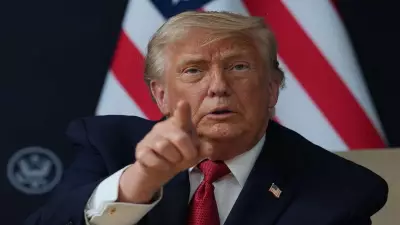
Donald Trump has publicly expressed deep concerns about the potential outcome. On Monday, he took to social media to voice his opinion. He wrote, "If the Supreme Court rules against the United States of America on this National Security bonanza, WE'RE SCREWED!" His comments followed weeks of online posts. In those posts, he warned that losing the power to impose tariffs would deal a serious blow to the nation's interests.
Treasury Secretary Addresses Refund Possibility
US Treasury Secretary Scott Bessent spoke with Reuters about the situation. He stated that even if the court were to strike down the tariffs, which he described as an unlikely outcome, the Treasury Department has sufficient funds to cover any required refunds. However, he raised an important question. He questioned whether companies would pass that refunded money back to consumers.
"It won't be a problem if we have to do it," Bessent said. He added that businesses suing the government might not share the refunds with their customers. This statement highlights potential complications for consumers even if a ruling favors the companies.
Delay Amid Global Trade Tensions
The court's delay occurs against a backdrop of broader global trade tensions. Yahoo Finance noted that China recorded a record trade surplus of $1.2 trillion in 2025. This surplus occurred despite Trump's tariffs. Beijing has blamed the United States for growing global trade imbalances, pointing to ongoing friction between the world's two largest economies.
The Supreme Court is expected to issue a ruling in the tariffs case before the end of its current session in June. Until that decision arrives, significant uncertainty remains. The future of Trump's tariff regime and the precise scope of presidential power over international trade hang in the balance. The world watches and waits for the final word from America's highest court.