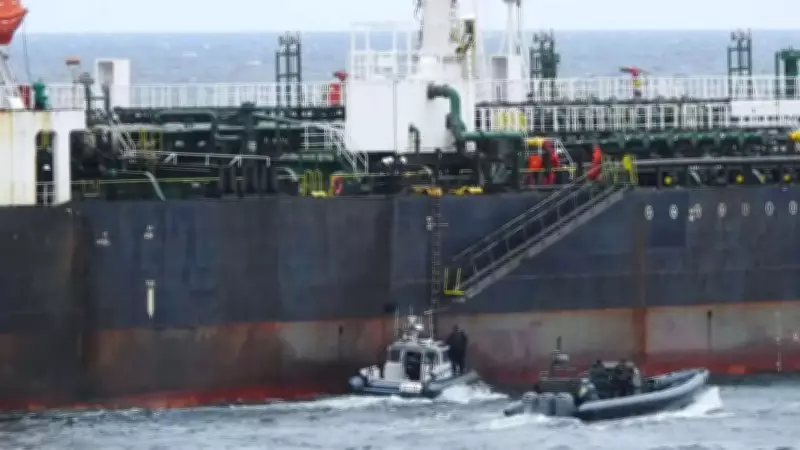
Swedish Authorities Release Tanker Flora 1 After Investigation Finds No Offence
In a significant development, Swedish authorities have released the tanker Flora 1 after a thorough investigation failed to prove any environmental offences or registration irregularities. The vessel, which had been boarded and detained on Friday, was suspected of involvement in an oil spill and potential violations of European Union sanctions.
Investigation Details and Findings
The Swedish Coast Guard announced late on Saturday that Cameroon had officially confirmed the vessel's registration status, effectively clearing one of the primary concerns. Authorities had initially alleged issues with the Flora 1's registration and that it appeared on an EU sanctions list, prompting the boarding and investigation.
The coast guard stated unequivocally: "No environmental offence could be proved, and there are therefore no further grounds for continuing the investigation." This conclusion led to the immediate release of the tanker, allowing it to resume its voyage.

Background on the 'Shadow Fleet' and Sanctions Context
This incident occurs against the backdrop of increased European action against what is often termed the "shadow fleet" – vessels that transport oil from Russia in efforts to circumvent EU and other international sanctions. European countries have significantly ramped up monitoring and enforcement measures targeting these operations.
According to ship tracking data from marinetraffic.com, the Flora 1 had departed from the Russian oil port of Primorsk on March 31, heading for Santos in Brazil. During this journey, it was flying the flag of Sierra Leone, a detail that initially raised suspicions among Swedish officials.
Broader Implications for Maritime Enforcement
The release of the Flora 1 highlights the complexities and challenges faced by authorities in enforcing sanctions and environmental regulations on the high seas. While European nations remain vigilant against sanction-evasion tactics, each case requires concrete evidence to justify detention and legal action.
This development underscores the delicate balance between rigorous enforcement and respecting maritime law, particularly when allegations cannot be substantiated through investigation. The Swedish authorities' decision to release the vessel once no offences could be proven demonstrates adherence to legal standards despite ongoing concerns about shadow fleet activities.