Taiwan's Defence Ministry Reports Increased PLA Military Activity Near Its Territory
In a significant development highlighting ongoing tensions in the region, Taiwan's Ministry of National Defence has reported the detection of multiple People's Liberation Army (PLA) assets operating in the vicinity of its territory. According to official statements released by the ministry, this military activity included a notable presence of air and naval forces from mainland China.
Details of the Detected Military Movements
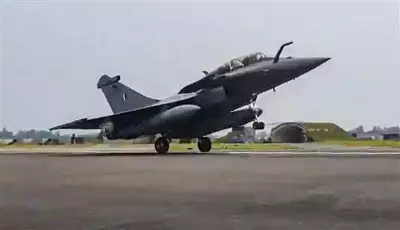
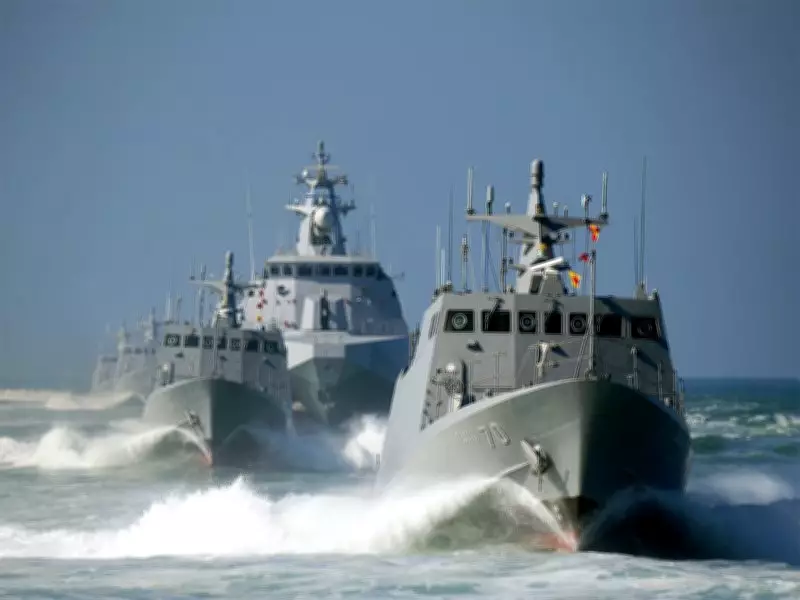
The ministry specified that six PLA aircraft were observed conducting sorties in the airspace around Taiwan. These aircraft, part of China's extensive air force, were monitored closely by Taiwanese defence systems as they maneuvered near the island's territorial boundaries. Simultaneously, eight vessels belonging to the People's Liberation Army Navy (PLAN) were detected operating in the waters surrounding Taiwan. This naval presence underscores the maritime dimension of the military pressure being exerted by China.
In addition to the military assets, the ministry also reported the detection of one official ship, which is believed to be a government vessel from China. The presence of such a ship adds a diplomatic or administrative layer to the military maneuvers, potentially signaling broader strategic intentions beyond mere military posturing.

Context and Implications for Regional Stability
This incident occurs against a backdrop of heightened tensions between Taiwan and China. China claims Taiwan as part of its territory and has consistently opposed any moves towards independence by the island. In recent years, China has increased its military activities near Taiwan, including frequent air incursions and naval patrols, as part of its strategy to assert sovereignty and deter what it perceives as separatist tendencies.
The detection of these assets by Taiwan's defence ministry is part of its routine monitoring efforts to track PLA movements and ensure national security. Taiwan has been bolstering its defence capabilities in response to such activities, with support from allies like the United States, which has expressed commitment to Taiwan's self-defence under the Taiwan Relations Act.
Experts suggest that such military sorties and naval deployments are intended to send a clear message to Taiwan and the international community about China's resolve to maintain control over the island. They also raise concerns about the potential for miscalculation or escalation in the Taiwan Strait, a critical waterway for global trade and regional security.
International Reactions and Future Outlook
The international community, particularly countries with interests in the Indo-Pacific region, closely watches these developments. Nations such as the United States, Japan, and Australia have expressed concerns about stability in the Taiwan Strait and have called for peaceful resolution of cross-strait issues. China, on its part, maintains that its military activities are normal exercises and are not targeted at any specific country, though it reiterates its stance on Taiwan's status.
Looking ahead, analysts predict that such incidents may become more frequent as China continues to modernize its military and assert its claims in the region. Taiwan is likely to remain vigilant, enhancing its surveillance and defence measures to counter potential threats. The situation underscores the delicate balance of power in East Asia and the ongoing geopolitical tensions that could impact global peace and security.
In summary, the detection of six PLA aircraft, eight PLAN vessels, and one official ship by Taiwan's defence ministry highlights the persistent military pressure from China and the complex dynamics at play in the Taiwan Strait. As both sides navigate these challenges, the need for dialogue and de-escalation remains paramount to prevent conflict and ensure regional stability.