Texas Debates Biblical Stories in School Curriculum, Sparking National Education Debate
Texas has once again become the epicenter of a national controversy regarding the role of religion in public education. According to a report by AP News, proposals to incorporate Biblical narratives, including the story of Jonah and the Whale, into school reading lists have ignited fierce divisions among educators, parents, and religious leaders across the state.
Heated Debate Over Religion's Place in Public Classrooms
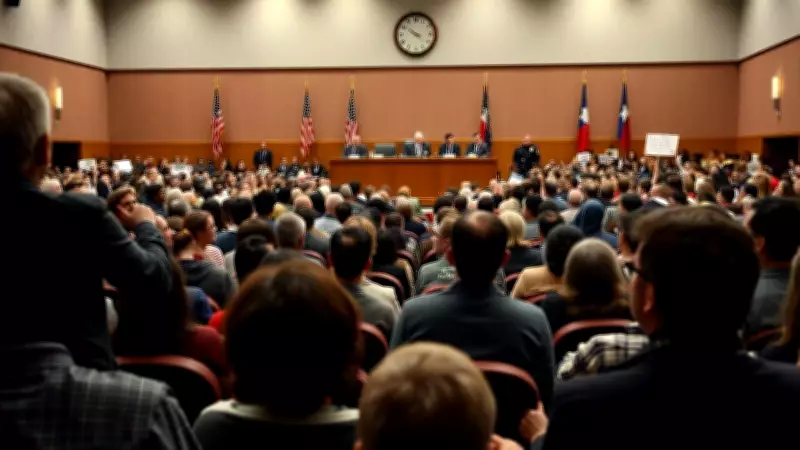
The issue was thoroughly examined before the Texas State Board of Education, where stakeholders passionately debated whether such content is essential for understanding historical context and moral values or represents a clear violation of constitutional principles. If approved, these proposed changes could affect nearly 5.4 million K–12 students in Texas and potentially set a precedent for similar initiatives throughout the United States.
Supporters argue that Biblical references are fundamental to American history and cultural literacy. "Our children need truth," emphasized Nathan Irving, a Texas-based pastor, who maintains that the nation was built upon a Christian worldview. Proponents believe these texts provide crucial insight into the moral and ethical foundations that have shaped American society.

However, critics warn that this move dangerously blurs the line between education and religious instruction. Rabbi Josh Fixler of Houston expressed concern that the proposal could amount to "proselytisation," highlighting the constitutional separation between church and state. Parents have also raised significant questions about representation and inclusivity, wondering how such teachings would affect students from non-Christian backgrounds and arguing that religious education should remain a family responsibility.
What the Proposed Reading List Includes
The proposed curriculum spans multiple grade levels and blends religious texts with classic literature and historical writings. For elementary grades, stories like the Road to Damascus, depicting the transformation of Paul, are included. High school students would encounter Biblical texts such as the Book of Job, which explores profound themes of faith and suffering.
Other readings in the proposed list feature a diverse range of materials:
- The Cat in the Hat by Dr. Seuss
- Narratives on the life of Daniel Boone
- Works by Frederick Douglass and Martin Luther King Jr.
- A book on Harriet Tubman and the Underground Railroad
This comprehensive list originates from a 2023 state law that mandates a curated selection of "high-quality" instructional materials for Texas schools.
Legal Concerns and Constitutional Questions
Opponents frequently cite the First Amendment's Establishment Clause, which explicitly prohibits the government from endorsing any religion. Critics argue that including religious texts in mandatory reading lists could inadvertently lead teachers into religious instruction rather than objective teaching about religion—a distinction that courts have historically upheld as crucial for maintaining constitutional integrity.
Broader Push for Religion in Schools
The proposal is part of a wider trend across Republican-led states to expand religious expression in public education. Recent developments in Texas include allowing chaplains in public schools in 2023, mandating the display of the Ten Commandments (though partially challenged in courts), and introducing optional Bible-based curriculum in early grades. At the national level, former President Donald Trump has pledged support for expanding religious expression in schools, adding momentum to this movement.
Decision Pending; Implementation Years Away
The Texas State Board of Education is expected to reach a final decision in June 2026. If approved, the new reading list would be implemented by 2030, allowing significant time for preparation and adjustment. Meanwhile, educators caution that curriculum changes should prioritize comprehensive historical understanding. One teacher noted that middle school may be the only time many students formally study U.S. history before high school, underscoring the critical importance of balanced and inclusive content.

Why This Matters Beyond Texas
Texas plays an outsized role in shaping educational trends due to its large student population and substantial influence over textbook publishing. As highlighted in the AP News report, the outcome of this debate could have ripple effects across other states, potentially redefining how religion is approached in public education nationwide. The decision in Texas may serve as a benchmark for similar discussions in other regions, making this a pivotal moment for American education policy.