

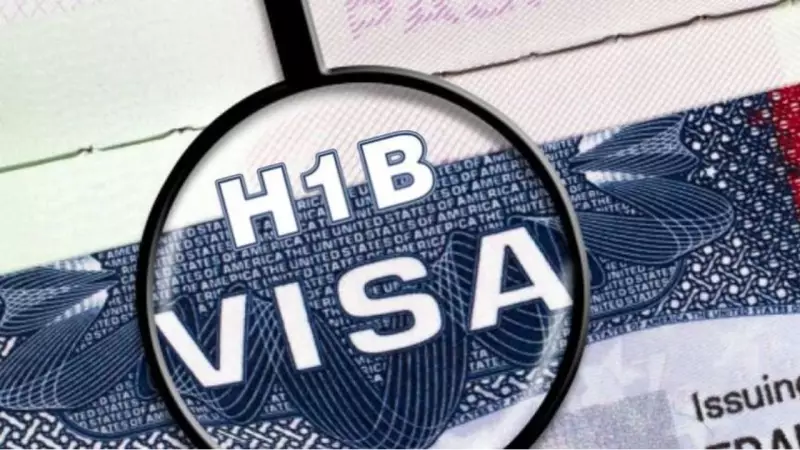
Texas Governor Greg Abbott has issued a directive requiring all public K-12 schools and universities across the state to provide a comprehensive list of employees working on H-1B visas. Abbott stated that there is "no reason" for foreign workers to be employed in Texas public schools, sparking a debate over the use of taxpayer funds and workforce policies.
Examining Taxpayer Funding for Specialty Visas
During a radio show on Monday, Abbott revealed that his office is investigating whether taxpayer dollars are being used to fund H-1B visas for highly skilled workers in the state's public education system. He told conservative host Mark Davis that he expects to announce an "action plan" later this week, indicating potential policy changes or enforcement measures.
Background and Reporting
The governor's request follows reporting by the Quorum Report, which disclosed that Abbott had asked campuses in the Texas A&M University System to submit details of all H-1B employees. This includes their roles and countries of origin, with a deadline set for the end of Monday. H-1B visas are a federal program that allows employers to hire foreign workers in specialty occupations, commonly used by:

- Higher education institutions
- Hospital systems
- Public school districts
This comes at a time when Texas is grappling with a significant shortage of teachers, raising questions about the balance between local hiring and international talent.
Abbott's Stance and Political Alignment
Abbott emphasized that he does not "see any reason" why H-1B visa holders would need to work in Texas public schools. His comments align with allegations from the Trump administration about H-1B visa fraud, suggesting that some workers admitted during the Biden administration or earlier may have overstayed their visas and are now in the country illegally. Abbott also mentioned that he might call on the Trump administration to "withdraw them," though specifics on this action remain unclear.
Federal Data on H-1B Visa Holders in Texas
Federal data highlights the institutions with the most H-1B visa sponsors in Texas:
- Dallas Independent School District: 230 visa holders
- University of Texas Southwestern Medical Center in Dallas: 228 visa holders
- Texas A&M's flagship campus: 214 visa holders
- University of Texas MD Anderson Cancer Center: 171 visa holders
- University of Texas at Austin: 169 visa holders
This data underscores the widespread use of H-1B visas across educational and medical institutions in the state.
Recent Changes to H-1B Visa Policies
Under recent policy shifts, new petitioners on H-1B visas are now required to pay $100,000, a significant increase from the previous range of $2,000 to $5,000, as announced by the Trump administration last September. Additionally, the lottery system for awarding visas will be replaced with a plan that prioritizes workers with higher pay and specialized skills, aiming to streamline the process and focus on economic contributions.
Abbott's Justification and Community Impact
Abbott argued that these measures will ensure jobs are available for Texans, stating, "The fact of the matter is we want to make sure that our communities are safe." He added, "We want to make sure our communities are not having people come in and take jobs that Texans could easily fill," reflecting concerns over local employment opportunities and economic security.
Broader Context and Similar Actions in Other States
Meanwhile, in Florida, public universities are considering a one-year freeze on H-1B hiring following instructions from Governor Ron DeSantis to crack down on "H-1B abuse." This indicates a growing trend among some state leaders to scrutinize and restrict the use of H-1B visas in public sectors, potentially impacting education and healthcare systems nationwide.
The situation in Texas highlights ongoing tensions between immigration policies, workforce needs, and public funding, with implications for both local communities and international workers seeking opportunities in the United States.






