

Texas Governor Greg Abbott has announced a significant policy shift that directly impacts the H-1B visa program within state-controlled institutions, sparking immediate controversy and drawing attention to the state's Indian diaspora community. The governor's directive imposes a freeze on new H-1B visa petitions across all state agencies and public universities, positioning Texas as the second U.S. state, following Florida, to implement such restrictive measures against the program designed to bring skilled foreign workers to American organizations.
Political Backlash and Social Media Trolling
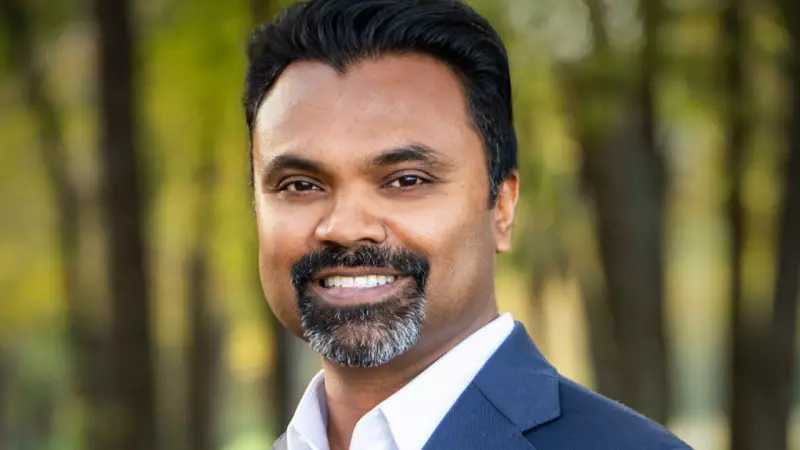
The announcement triggered unexpected social media backlash against Abraham George, the Indian-origin chairman of the Texas Republican Party. George had recently advocated for Florida-style restrictions on H-1B visas, and within days of his public statements, Governor Abbott implemented the freeze. When George expressed support for the governor's decision on social media, writing "Thank you @GregAbbott_TX Texans comes first!", he was met with hostile responses from some users who told him to "catch the first flight to New Delhi" and return to India.
Governor Abbott's Justification
In his official statement, Governor Abbott emphasized economic nationalism, declaring: "Texans come first. I'm directing state agencies and universities to freeze new H-1B visa petitions. Texas taxpayers invest billions to train our workforce. Those jobs should go to Texans. Texas is the strongest economic engine in America. We're going to keep it that way." This move represents a significant policy shift for a state that has traditionally welcomed skilled immigrant workers through the H-1B program.

Scope and Limitations of the Freeze
The ban specifically targets:
- State agencies under gubernatorial control that must comply with the freeze
- Public universities and higher education institutions across Texas
- Government-funded positions within the state's educational and administrative systems
However, the order maintains important limitations:
- Private companies remain unaffected and can continue hiring through H-1B visas
- Existing H-1B visa holders' status remains unclear as the order doesn't specify provisions for renewals or current employees
- The freeze applies only to new petitions within state-controlled entities
Political Context and Timing
The sudden policy announcement followed Governor Abbott's earlier demand for a comprehensive list of H-1B employees working in Texas schools and universities. This request came amid growing controversy surrounding H-1B funding at prominent institutions like the University of Texas and Texas A&M University network.
Political analysts view this move as strategically significant. Mark Jones, a political science professor at Rice University in Houston, explained to Bloomberg: "Since Governor Abbott can't force Texas private companies to stop using the H-1B visa program, this is a way for him to signal to Republicans in Texas he is doing everything in his power to fight H-1B visa abuse." This suggests the policy serves both practical and symbolic purposes within Texas Republican politics.
Broader Implications
The Texas decision represents a growing trend among Republican-led states to restrict skilled immigration programs, with Florida having implemented similar measures earlier. This development raises important questions about:
- The future of skilled foreign workers in state government and education sectors
- Potential economic impacts on Texas universities that rely on international talent
- The political positioning of Indian-American Republicans within conservative movements
- Possible ripple effects on other states considering similar restrictions
The controversy highlights the complex intersection of immigration policy, economic nationalism, and diaspora politics in contemporary American governance, with Texas now positioned at the forefront of this national debate.






