

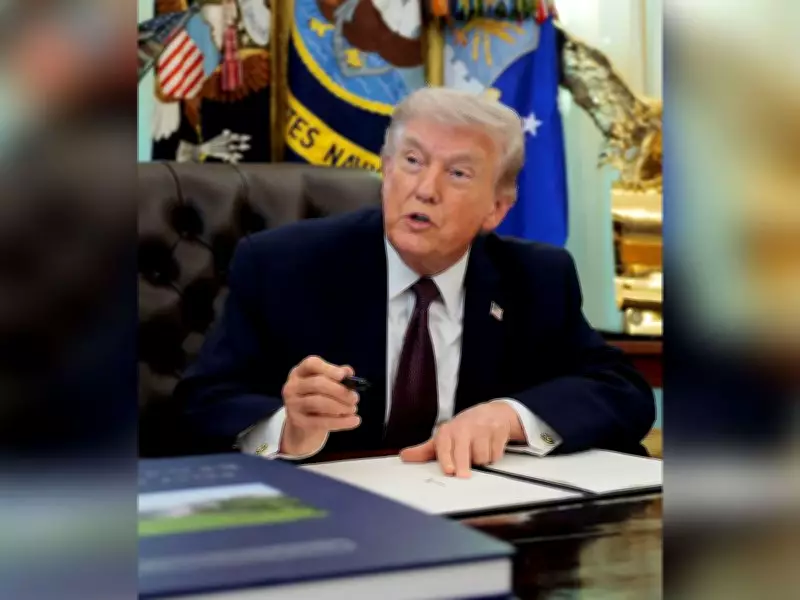
Trump to Attend Supreme Court Hearing on Birthright Citizenship Eligibility
Former President Donald Trump is scheduled to attend a Supreme Court hearing that will examine the contentious issue of birthright citizenship in the United States. This hearing, set to take place at the Supreme Court of the United States (SCOTUS), focuses on who is entitled to automatic citizenship under the 14th Amendment of the U.S. Constitution.
Background and Legal Context
The 14th Amendment, ratified in 1868, states that "all persons born or naturalized in the United States, and subject to the jurisdiction thereof, are citizens of the United States and of the State wherein they reside." This provision has long been interpreted to grant citizenship to anyone born on U.S. soil, regardless of their parents' immigration status. However, Trump and some conservative legal scholars argue that this interpretation should not apply to children of undocumented immigrants.
During his presidency, Trump frequently criticized birthright citizenship, labeling it a "magnet" for illegal immigration and vowing to end it through executive order or legislative action. His administration took steps to challenge the practice, but faced legal hurdles and opposition from civil rights groups.

Details of the Hearing
The upcoming SCOTUS hearing is part of a broader legal battle over immigration policies. Trump's attendance underscores the political significance of the issue, as he has made immigration a central theme of his political career and potential future campaigns. The hearing will involve arguments from both sides, with Trump expected to advocate for a restrictive interpretation of the 14th Amendment.
Legal experts note that the Supreme Court's decision could have far-reaching implications. If the court rules in favor of limiting birthright citizenship, it could affect millions of people and reshape U.S. immigration law. Conversely, a ruling upholding the current interpretation would reinforce the longstanding practice and potentially curb similar challenges in the future.
Political and Social Implications
This hearing comes at a time of heightened debate over immigration in the United States. Proponents of birthright citizenship argue that it is a fundamental right that promotes equality and integration. They contend that changing it would undermine the principles of the Constitution and create a class of stateless individuals.
On the other hand, critics, including Trump, assert that birthright citizenship encourages illegal immigration and strains public resources. They argue that the original intent of the 14th Amendment was to grant citizenship to freed slaves, not to provide a pathway for undocumented immigrants.
The outcome of this hearing is likely to influence not only legal precedents but also political discourse leading up to future elections. Trump's involvement highlights the ongoing polarization on immigration issues and sets the stage for continued legal and public battles.
As the hearing approaches, stakeholders from across the political spectrum are preparing for a landmark decision that could redefine American citizenship and immigration policy for generations to come.






