

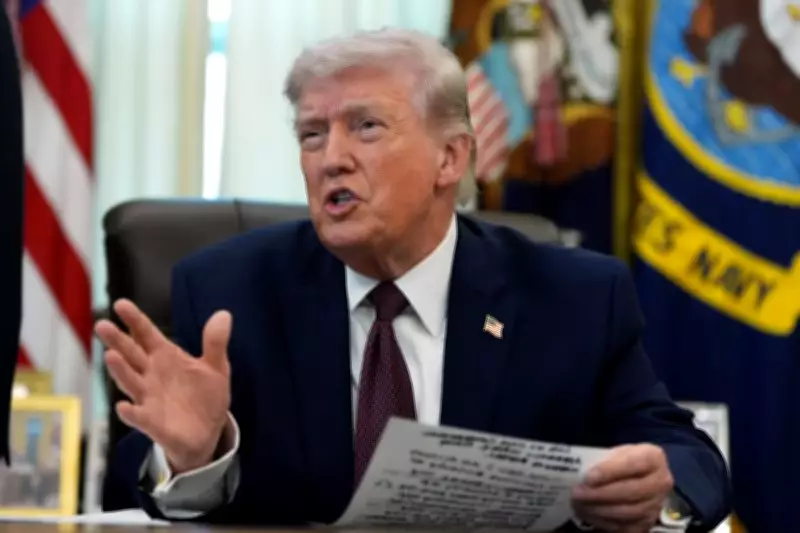
Historic First as Trump Attends Supreme Court Hearing on Birthright Citizenship
In a groundbreaking moment for American political and judicial history, former President Donald Trump made an unprecedented appearance at the U.S. Supreme Court. He attended a hearing focused on the contentious issue of birthright citizenship, a policy deeply rooted in the 14th Amendment of the U.S. Constitution. This event marks the first time a former president has been present at such a proceeding, drawing significant attention from legal experts, politicians, and the public alike.
Unprecedented Presidential Presence in the Courtroom
The Supreme Court hearing centered on debates surrounding birthright citizenship, which grants automatic citizenship to anyone born on U.S. soil, regardless of their parents' immigration status. Trump's attendance is seen as a highly unusual move, as former presidents typically avoid direct involvement in ongoing judicial matters to maintain the separation of powers and avoid influencing court decisions. His presence underscores the high stakes and polarizing nature of this policy issue, which has been a focal point of immigration debates in the United States for years.
Legal analysts note that Trump's appearance could signal his continued interest in shaping immigration policy, even after leaving office. The hearing itself delved into constitutional interpretations, with arguments from both sides highlighting the historical context and modern implications of the 14th Amendment. Supporters of birthright citizenship argue it is a fundamental right that promotes equality, while critics, including Trump during his presidency, have called for its restriction to curb what they perceive as "birth tourism" and unauthorized immigration.

Implications for U.S. Politics and Immigration Policy
This historic event has sparked widespread discussion about the role of former presidents in judicial processes and the future of birthright citizenship in America. Trump's attendance may influence public opinion and political discourse, particularly as immigration remains a hot-button issue in upcoming elections. The Supreme Court's eventual ruling on this matter could have far-reaching consequences, potentially altering the legal landscape for millions of individuals and families.
Observers point out that the hearing also reflects broader tensions within the U.S. government over immigration reform. With Trump's vocal stance on limiting birthright citizenship during his tenure, his presence at the court adds a layer of political symbolism to the legal proceedings. It raises questions about how past administrations might seek to impact policy through non-traditional means, such as public appearances at high-profile court cases.
Key Points from the Hearing:- Trump's attendance is a historic first for a former U.S. president at a Supreme Court hearing.
- The hearing focused on birthright citizenship under the 14th Amendment.
- Debates included arguments on constitutional interpretation and immigration policy impacts.
- This event highlights ongoing political divisions over immigration in the United States.
In summary, Trump's unprecedented appearance at the Supreme Court hearing on birthright citizenship marks a significant moment in U.S. history. It not only underscores the enduring controversy surrounding immigration policy but also sets a new precedent for how former presidents might engage with the judiciary. As the court deliberates, the outcome will be closely watched for its potential to reshape American citizenship laws and political dynamics.






