

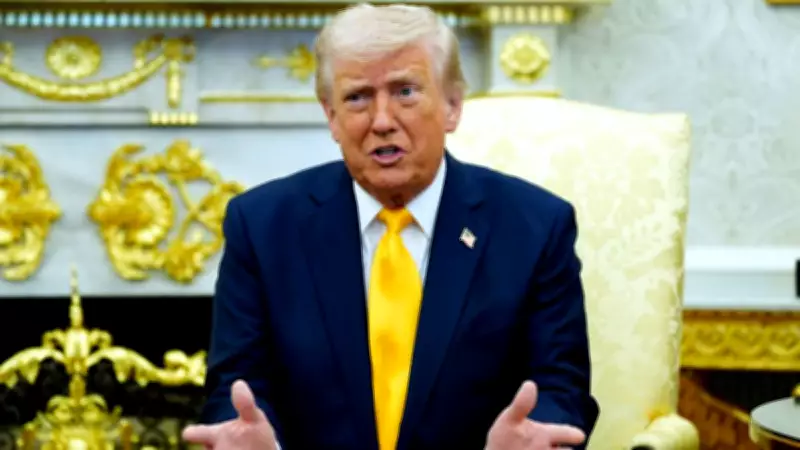
Trump Unleashes Fiery Criticism Against NATO Over Iran Conflict Scenario
In a recent and highly charged statement, former United States President Donald Trump has vehemently criticized the North Atlantic Treaty Organization (NATO), using harsh language to condemn the alliance's perceived shortcomings. Trump branded NATO members as "cowards" and described the organization as a "paper tiger," specifically targeting their lack of support in a potential war against Iran. This outburst has sent shockwaves through international diplomatic circles, highlighting ongoing tensions and raising critical questions about the future of transatlantic security cooperation.
Context and Background of the Controversial Remarks
The remarks were made in response to discussions surrounding a hypothetical military conflict involving Iran, a nation that has long been a focal point of geopolitical strife in the Middle East. Trump, known for his outspoken and often confrontational style, expressed frustration over what he views as insufficient commitment from NATO allies in such scenarios. Historically, Trump has been a vocal critic of NATO, frequently urging member countries to increase their defense spending and contribute more substantially to collective security efforts. This latest tirade underscores his persistent belief that the United States bears a disproportionate burden within the alliance.
Implications for NATO and International Relations
The fallout from Trump's comments is significant, potentially straining relationships between the US and its European partners. NATO, established in 1949 as a collective defense pact, relies on mutual trust and shared responsibilities among its 32 member states. By labeling the alliance as weak and ineffective, Trump's words could undermine this cohesion, especially as global challenges like regional conflicts and terrorism demand unified responses. Experts warn that such rhetoric may embolden adversaries like Iran, who might perceive divisions within NATO as an opportunity to advance their interests aggressively.

Moreover, this incident reignites debates about US leadership on the world stage. While Trump's presidency was marked by a "America First" approach, his successors have sought to reaffirm commitments to alliances like NATO. However, his continued influence in political discourse means that his critiques carry weight, potentially swaying public opinion and policy discussions. The timing is particularly sensitive, given ongoing negotiations and tensions in the Middle East, where Iran's nuclear program and regional activities remain contentious issues.
Reactions and Broader Ramifications
Reactions to Trump's blast have been mixed, with some supporters echoing his calls for greater burden-sharing, while critics accuse him of destabilizing international partnerships. Key points of contention include:
- Defense Spending: Trump has long argued that many NATO nations fail to meet the agreed-upon target of spending 2% of their GDP on defense, a point he reiterated in his criticism.
- Strategic Cohesion: The comments highlight potential rifts in how NATO members perceive threats, with differing priorities between European countries and the US regarding Iran and other global hotspots.
- Political Impact: As the 2024 US presidential election approaches, Trump's stance could shape foreign policy debates, influencing how candidates address alliance management and international conflicts.
In conclusion, Trump's blistering attack on NATO over support in a war against Iran has amplified existing fissures within the alliance and sparked renewed scrutiny of its effectiveness. As the world grapples with complex security dilemmas, the need for solidarity and robust cooperation among NATO members has never been more critical. This episode serves as a stark reminder of the challenges facing multilateral institutions in an era of rising nationalism and geopolitical uncertainty.






