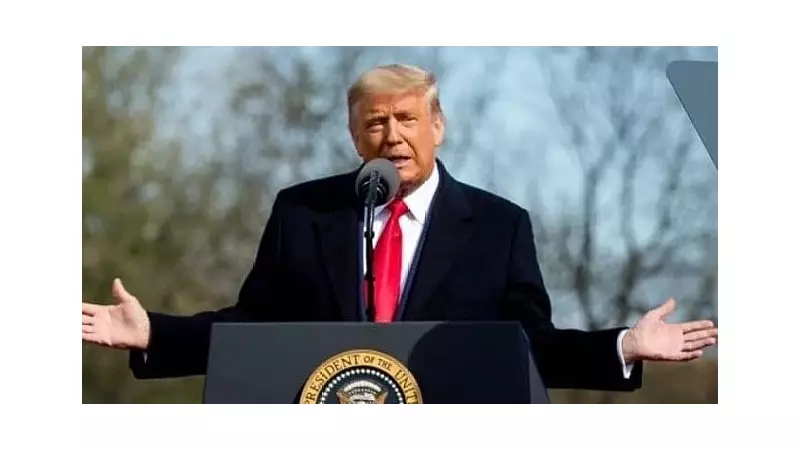
In a significant move targeting market dynamics, former United States President Donald Trump has signed an executive order to establish specialized task forces. These bodies are mandated to scrutinize the nation's food supply chain, with a primary focus on identifying and curbing anti-competitive practices.
Core Mandate of the New Task Forces
The executive order, dated 07 December 2025, empowers these newly formed task forces to conduct a thorough investigation into the food supply ecosystem. Their key objective is to safeguard fair competition by uncovering any monopolistic tendencies or unfair trade practices that could harm consumers and smaller businesses. According to the directive, the investigation will span across various stages of the supply chain, from production and processing to distribution and retail.
Potential Legal and Regulatory Repercussions
The order outlines clear consequences if anti-competitive behavior is found during the probe. It authorizes two key figures: the Attorney General and the Chairman of the Federal Trade Commission (FTC). They are empowered to bring formal enforcement actions against entities found violating competition laws. Furthermore, the order stipulates that these officials may also propose new regulatory approaches to prevent such practices in the future, indicating a potential for lasting policy changes based on the findings.

Broader Implications for Markets and Consumers
This initiative signals a proactive stance on regulating market concentration within a critical sector. By focusing on the food supply chain, the action addresses concerns about price manipulation, limited choices, and the squeezing out of smaller farmers and distributors. The threat of enforcement action from the FTC and the Department of Justice is intended to compel greater transparency and fairness. The outcome of this investigation could lead to significant shifts in how major food corporations operate, ultimately aiming to benefit end consumers through more competitive pricing and diversified options.
The move, reported by Reuters, is seen as part of a broader agenda to assert governmental oversight over large corporate structures influencing essential goods. The success of these task forces will depend on the scope of their investigation and the subsequent willingness of authorities to implement their recommendations.