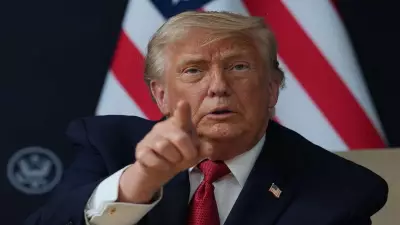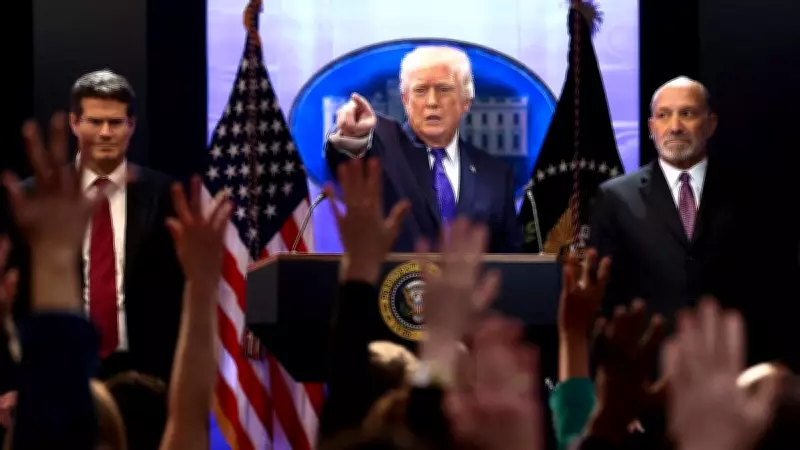
Trump Asserts Unilateral Power Despite Supreme Court Rebuke on Tariffs
In a stunning defiance of judicial authority, former President Donald Trump has publicly insisted that he retains the power to act unilaterally, even after the Supreme Court ruled that he exceeded his constitutional authority in imposing a series of tariffs over the past year. The court's decision, which was handed down recently, found that Trump's actions in enacting these trade measures without proper congressional approval were unlawful and overstepped executive bounds.
Trump's Fiery Response to Judicial Ruling
Lashing out in the wake of the ruling, Trump launched a scathing attack on the justices who ruled against him, labeling them as "fools and lap dogs" in a series of public statements. He went further to suggest that these judges had been corrupted by unspecified foreign influences and described them as being influenced by what he termed "slimeballs." This rhetoric marks a significant escalation in Trump's ongoing confrontations with the judicial branch, highlighting his persistent belief in expansive executive powers.
Background of the Tariff Dispute
The controversy stems from Trump's imposition of an array of tariffs during his presidency, which he argued were necessary to protect American industries and address trade imbalances. However, legal challenges were mounted by various groups and lawmakers, culminating in the Supreme Court's review. The court's ruling emphasized that such economic policies require legislative input and cannot be enacted solely by presidential decree, reinforcing the system of checks and balances.

This incident raises critical questions about the limits of presidential authority and the role of the judiciary in curbing executive overreach. Trump's refusal to accept the court's decision could potentially undermine public confidence in legal institutions and set a precedent for future disputes over separation of powers. Moreover, his allegations of foreign corruption among justices may fuel conspiracy theories and further polarize political discourse in the United States.
International observers have noted the potential impact on global trade relations, as Trump's tariff policies have historically sparked tensions with key trading partners. The Supreme Court's ruling might lead to a reassessment of these measures, but Trump's defiant stance suggests ongoing uncertainty in U.S. trade policy.Reactions and Broader Context
Legal experts and political analysts have expressed concern over Trump's remarks, warning that such attacks on the judiciary could erode democratic norms. Meanwhile, supporters of Trump have rallied behind his claims, arguing for stronger executive action in economic matters. This clash underscores the deep divisions within American politics regarding the interpretation of constitutional powers and the balance between branches of government.
As this story develops, it remains to be seen how this confrontation will affect Trump's political future and the broader landscape of U.S. governance. The Supreme Court's ruling stands as a landmark decision on executive authority, but Trump's response indicates that the debate over presidential powers is far from settled.