Trump Escalates Feud with US Media, Calls for Apology Over Alleged Falsehoods
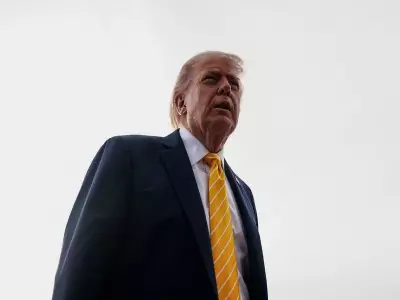
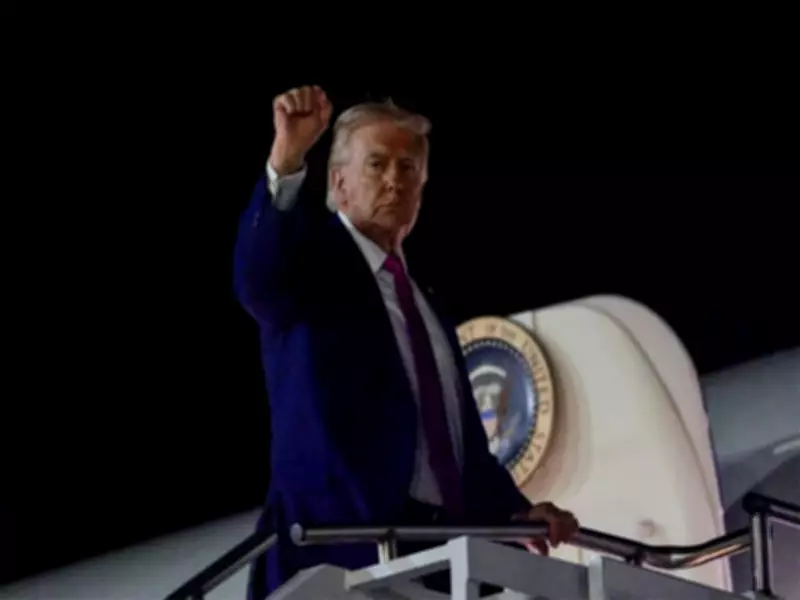
In a recent public statement, former US President Donald Trump has launched a scathing attack on a prominent US media outlet, demanding that they apologize for what he describes as "lies" and "actions" taken against him. This move marks a significant escalation in the ongoing tensions between Trump and certain segments of the American press, highlighting the deep divisions in the country's political discourse.
Trump's Accusations Against the Media
Trump specifically targeted the media outlet, accusing it of spreading misinformation and engaging in biased reporting that he claims has unfairly targeted him. He questioned, "When will they apologize for the lies and actions against me?" emphasizing his belief that the outlet has acted with malice and without factual basis. This criticism comes amid a broader context where Trump has frequently clashed with media organizations, often labeling them as "fake news" during his presidency and beyond.
Context of Media Relations and Political Fallout
The former president's remarks are part of a long-standing pattern of confrontations with the press, which he views as hostile to his political agenda. Analysts suggest that this latest outburst could further polarize public opinion, with supporters rallying behind his claims of media bias, while critics argue it undermines trust in journalistic institutions. The media outlet in question has not yet issued a formal response, but such incidents typically fuel debates over press freedom and accountability in the United States.

Implications for US Politics and Public Discourse
This development has broader implications for US politics, as it reflects the ongoing struggle between political figures and the media in shaping public narratives. Trump's demand for an apology underscores the high stakes involved, with potential impacts on future elections and policy debates. As the situation unfolds, observers are watching closely to see how this feud influences media practices and political rhetoric in the coming months.