

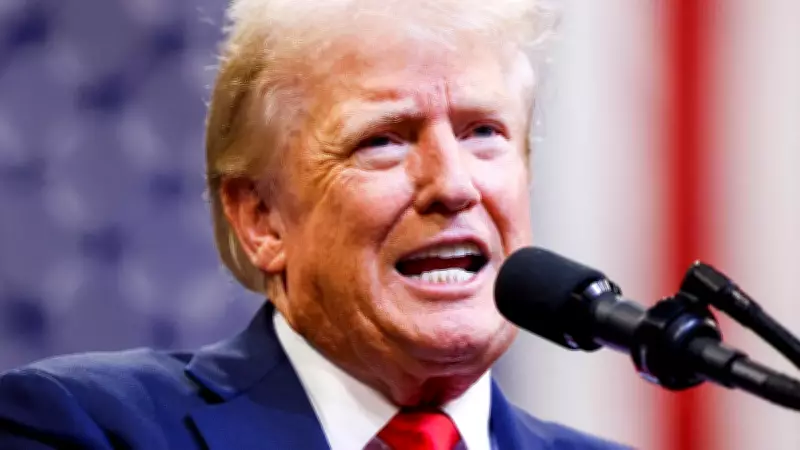
Trump Urges International Support for Strait of Hormuz Security
Former United States President Donald Trump has issued a strong call for other countries to assist in protecting the Strait of Hormuz, a vital maritime passage for global oil shipments. This demand comes as geopolitical tensions in the region continue to escalate, threatening the stability of energy supplies worldwide.
Strategic Importance of the Strait
The Strait of Hormuz is a narrow waterway located between the Persian Gulf and the Gulf of Oman. It serves as a crucial chokepoint for the transportation of oil, with approximately one-fifth of the world's petroleum passing through it daily. Any disruption in this area could have severe repercussions for the global economy, leading to spikes in oil prices and potential shortages.
Trump emphasized that the security of this strait is not solely an American responsibility but a collective international concern. He argued that nations benefiting from the free flow of oil should contribute resources and efforts to ensure its safety. This stance aligns with his previous policies during his presidency, where he often pressured allies to share more of the burden in global security matters.

Context of Rising Regional Tensions
The call for assistance occurs against a backdrop of increasing instability in the Middle East. Recent incidents, including attacks on commercial vessels and diplomatic standoffs, have heightened fears about the security of maritime routes. The United States has historically played a dominant role in patrolling these waters, but Trump's statement suggests a shift towards a more collaborative approach.
Analysts note that this demand could strain relations with some allies who may be reluctant to increase their military commitments in the region. However, it also reflects a broader strategy to reduce American unilateral involvement and foster multilateral cooperation in addressing global security challenges.
Potential Implications and Responses
If other countries heed Trump's call, it could lead to:
- Enhanced naval patrols and surveillance in the Strait of Hormuz.
- Increased diplomatic efforts to de-escalate tensions among regional powers.
- A more distributed responsibility for maintaining open sea lanes, potentially reducing the burden on the US military.
Conversely, a lack of international support might force the United States to reconsider its strategic priorities in the area, possibly leading to further isolation or unilateral actions. The response from key players such as European nations, China, and Gulf states will be crucial in determining the effectiveness of this initiative.
Overall, Trump's demand underscores the ongoing importance of the Strait of Hormuz in global affairs and highlights the need for coordinated international efforts to safeguard critical infrastructure. As the situation evolves, stakeholders will closely monitor developments to assess their impact on energy security and geopolitical dynamics.






