Trump Retreats on Canada Annexation Amid Mounting Iran War Pressure
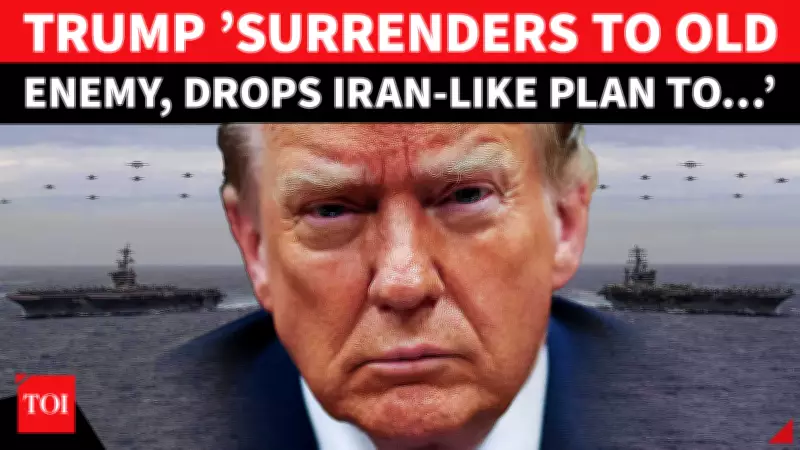
In a significant development during escalating military tensions with Iran, U.S. President Donald Trump has reportedly backed away from one of his most ambitious geopolitical proposals. According to exclusive reports, Trump privately acknowledged in late 2025 that his long-promoted plan to make Canada the 51st state of the United States is unlikely to materialize.
Private Concession Marks Dramatic Shift
Speaking to royal biographer Robert Hardman, Trump cited Canada's robust national identity and two centuries of independent history as primary obstacles to annexation. This private admission represents a stark departure from his previous public rhetoric, where he consistently promoted the idea as mutually beneficial for both nations.
The timing of this concession is particularly noteworthy, occurring against the backdrop of intensifying conflict with Iran that has demanded significant U.S. military and diplomatic resources. Analysts suggest the mounting pressure from the Iran war may have forced Trump to prioritize immediate security concerns over long-term expansionist ambitions.

Historical Context and Political Implications
Trump's proposal to annex Canada has been a recurring theme throughout his political career, often framed as an economic and strategic enhancement for both countries. However, the plan faced substantial opposition from Canadian officials and citizens who value their national sovereignty and distinct cultural identity.
The president's private acknowledgment of these realities suggests a pragmatic reassessment of geopolitical priorities. With U.S. forces engaged in multiple theaters of the Iran conflict, including air combat operations and commando rescues, the administration's focus appears to have shifted decisively toward immediate military challenges rather than territorial expansion.
Broader Geopolitical Landscape
This development occurs alongside several critical events in the Iran conflict:
- Iran's missile attacks on Israeli targets including Tel Aviv
- Shooting incidents near the White House potentially linked to Iranian operatives
- Multiple aircraft losses including U.S. F-15E, F-35, and Black Hawk helicopters
- Iranian forces targeting critical infrastructure including data centers
- Hezbollah employing advanced drone technology against Israel
The convergence of these crises has created what some analysts describe as the most complex geopolitical environment of Trump's presidency, potentially necessitating the shelving of controversial proposals like Canadian annexation in favor of more pressing security matters.
Future Implications and Analysis
While Trump's retreat on the Canada annexation proposal represents a significant policy shift, questions remain about whether this is a permanent abandonment or merely a tactical postponement. The president's history of reviving previously shelved initiatives suggests the 51st state concept could resurface once immediate military pressures subside.
Nevertheless, the current geopolitical reality, dominated by the Iran conflict and its regional ramifications, appears to have created conditions where even Trump's most ambitious power moves must yield to the demands of active warfare and international crisis management.