Trump Administration Concludes Major Immigration Operation in Minnesota
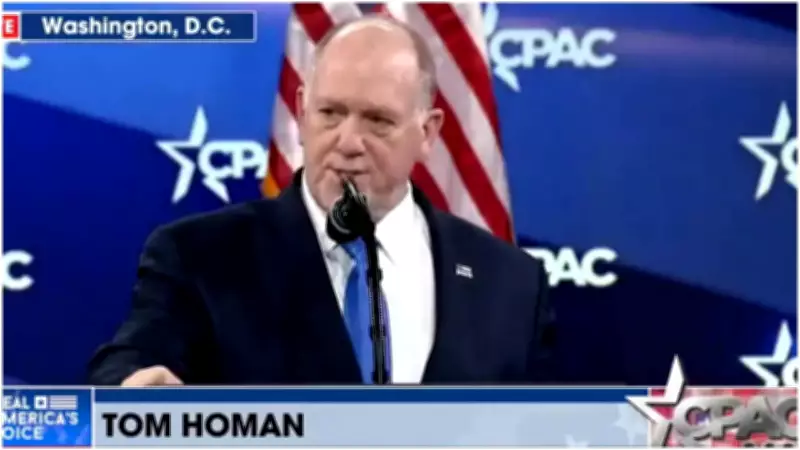
The Trump administration has officially terminated a contentious immigration enforcement surge in Minnesota that spanned two months, leading to thousands of arrests, violent protests, and the fatal shootings of two American citizens. Border czar Tom Homan announced the end of the operation on Thursday, marking a significant retreat from what had become a major political distraction.
Operation Details and Impact
According to Homan, the U.S. Immigration and Customs Enforcement (ICE) initiative, described as the Department of Homeland Security's "largest immigration enforcement operation ever," focused intensely on the Minneapolis-St. Paul metropolitan area. The operation resulted in more than 4,000 arrests, with Homan asserting that it has made Minnesota safer by reducing its status as a sanctuary for criminals. However, the crackdown ignited fierce debates over President Donald Trump's mass deportation policies, particularly after the deaths of Renee Good and Alex Pretti, who were killed by federal officers in Minneapolis.
Political Backlash and Drawdown
The operation became a flashpoint, drawing criticism from Democratic leaders and activists. Democratic Governor Tim Walz had anticipated its conclusion, stating on Tuesday that based on discussions with senior Trump administration officials, Operation Metro Surge—which began in December—would end in "days, not weeks and months." While the administration labeled those arrested as "dangerous criminal illegal aliens," reports indicate that many detainees had no criminal records, including children and U.S. citizens.

Homan confirmed that the drawdown of federal officers commenced this week and will continue into the next. Initially, 700 federal officers were withdrawn immediately, though over 2,000 remained on Minnesota's streets. Homan attributed the reduced need for personnel to an "increase in unprecedented collaboration," such as assistance from jails holding deportable inmates. He plans to stay in Minnesota to oversee the transition.
Oversight and Future Implications
Homan assumed control of the Minnesota operation in late January following the second fatal shooting and amid mounting political backlash and operational scrutiny. Minneapolis Mayor Jacob Frey reported a "positive meeting" with Homan, discussing further reductions in federal presence. Governor Walz expressed a "trust but verify" approach, expecting more details from the administration about what he termed an "occupation" and a "retribution campaign" against the state.
Despite the operation's end, Homan emphasized that immigration enforcement will persist, reiterating President Trump's commitment to mass deportation. The conclusion of this volatile crackdown, which was more intense than prior efforts in cities like Chicago and Los Angeles, signals a shift but not an end to the administration's broader immigration strategies.