

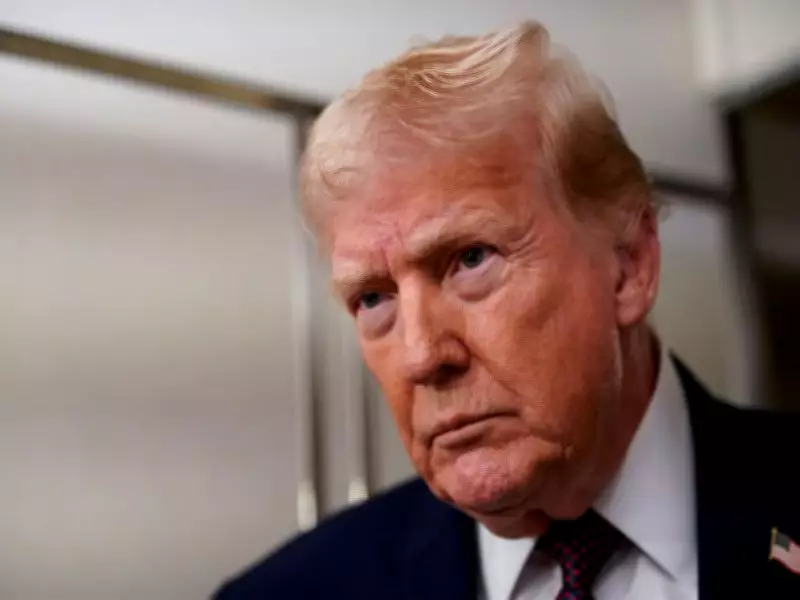
Trump Directs Department of War to Delay Military Strikes on Iran for Five Days
In a significant diplomatic development, US President Donald Trump announced on Monday that he has instructed the Department of War to postpone all military strikes against Iranian power plants and energy infrastructure for a period of five days. This decision is contingent upon the success of ongoing discussions between the United States and Iran aimed at resolving hostilities in the Middle East.
Productive Conversations Lead to Temporary De-escalation
Trump revealed in a post on Truth Social that the two nations have engaged in "very good and productive conversations" over the past two days, focusing on a complete and total resolution of conflicts in the region. He emphasized that these talks, described as in-depth, detailed, and constructive, will continue throughout the week.
"Based on the tenor and tone of these conversations, I have instructed the Department of War to postpone any and all military strikes against Iranian power plants and energy infrastructure for a five-day period, subject to the success of the ongoing meetings and discussions," Trump stated.

Background of Escalating Tensions
The announcement comes as the war between Israel, the US, and Iran enters its fourth week, having begun on February 28. The conflict was triggered by joint military strikes by the US and Israel that resulted in the killing of Iran's 86-year-old Supreme Leader, Ayatollah Ali Khamenei. In retaliation, Iran targeted Israeli and US assets in several Gulf countries, leading to disruptions in waterways and affecting international energy markets and global economic stability.
There has been widespread global concern over the impact on energy supply chains due to the war. Iran has virtually closed the strategically vital Strait of Hormuz, a key global energy transit route, exacerbating these worries.
Previous Threats and Warnings
Prior to this postponement, Trump had issued a stern warning to Iran, demanding that it fully reopen the Strait of Hormuz within 48 hours. He threatened that failure to do so would result in the US targeting and "obliterating" Iranian power plants, starting with the largest one first.
In response, Iran's Parliament speaker, Mohammad Bagher Ghalibaf, issued a stringent warning via a post on X. He stated that any attack on Iranian power plants or infrastructure would prompt retaliatory strikes on critical energy infrastructure across the region in an "irreversible manner," potentially keeping oil prices high for an extended period.
Implications for Regional Stability
The temporary halt in military strikes represents a cautious step toward de-escalation amid heightened tensions. The success of the ongoing diplomatic efforts will be crucial in determining whether this postponement leads to a more permanent resolution or if hostilities will resume after the five-day period.
As discussions continue, the international community watches closely, hoping for a peaceful outcome that stabilizes the Middle East and secures global energy supplies.






