

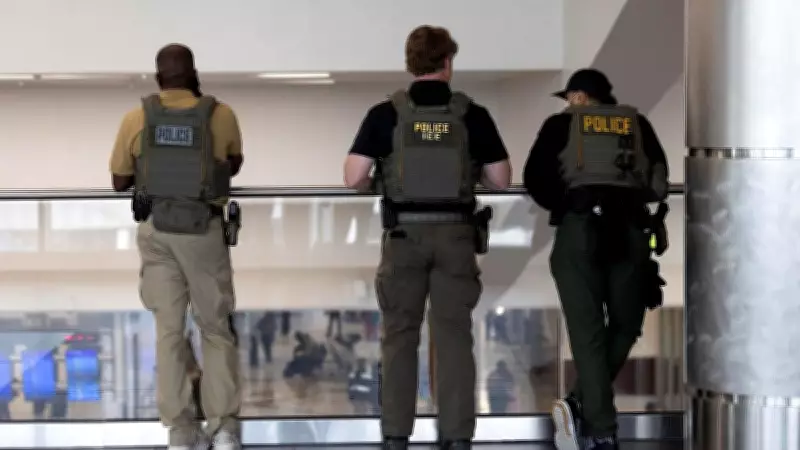
Trump Calls for ICE Agents to Forgo Masks at Airports
In a recent social media post, former U.S. President Donald Trump has made a controversial statement regarding the attire of Immigration and Customs Enforcement (ICE) agents working at airports. Trump specifically urged these federal agents to avoid wearing masks while performing their duties, citing ongoing travel challenges.
Details of the Statement
Trump expressed his views on Truth Social, a platform he frequently uses for communication. In his post, he stated, 'I would greatly appreciate, however, NO MASKS, when helping our Country out of the Democrat caused MESS at the airports.' This comment highlights his perspective that the current travel disruptions are primarily due to Democratic policies, and he believes that maskless agents could improve the situation.
The statement comes amid reports of various issues at airports, including delays and operational inefficiencies, which Trump attributes to the actions of the Democratic Party. By calling for ICE agents to not wear masks, he is suggesting a symbolic or practical change in their approach to public interactions during these times.

Context and Implications
This directive from Trump raises several points for consideration:
- Health and Safety Concerns: Masks have been widely used in public settings, especially in crowded places like airports, to reduce the spread of illnesses. Trump's recommendation could spark debate over health protocols.
- Political Messaging: By blaming Democrats for the airport issues, Trump is reinforcing his political narrative, which may influence public opinion and policy discussions.
- Operational Impact: ICE agents play a crucial role in immigration enforcement and security at airports. Any changes to their uniform or practices could affect their effectiveness and public perception.
As of now, there has been no official response from ICE or the current administration regarding Trump's suggestion. The statement is part of a broader pattern of Trump using social media to comment on national affairs, often stirring controversy and drawing attention to his viewpoints.
This development underscores the ongoing political tensions in the United States, particularly around immigration and public health measures. It remains to be seen whether this call will lead to any tangible changes in airport operations or if it will remain a rhetorical point in political discourse.






