The Search for a New Federal Reserve Chair Intensifies
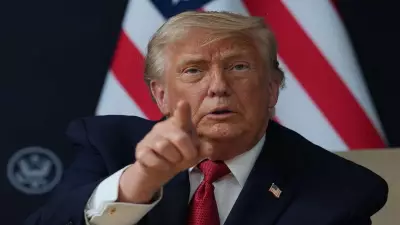
The process to select the next chair of the Federal Reserve is approaching its conclusion, with US President Donald Trump anticipated to reveal his choice to succeed Jerome Powell in the upcoming weeks. According to a Reuters report, Powell's tenure as Fed chairman concludes in May, although he retains the option to remain on the Washington-based Board of Governors until 2028.
A High-Stakes Appointment Amid Controversy
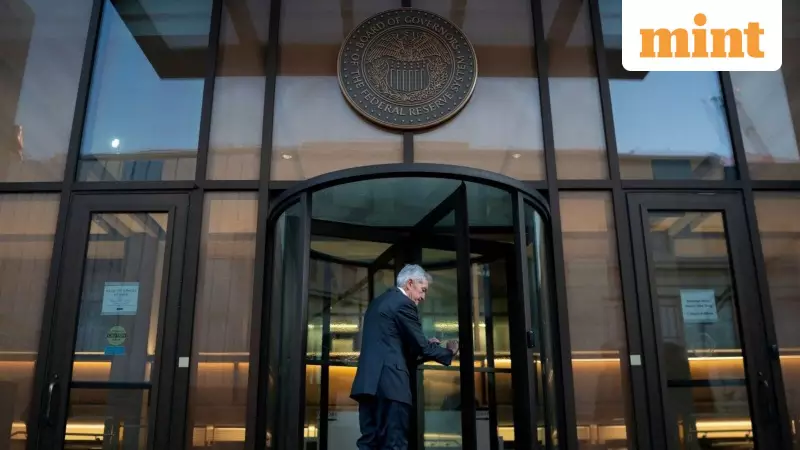
This critical selection occurs against a backdrop of significant scrutiny. The current Fed chair is embroiled in a criminal investigation concerning his June testimony before Congress regarding the expenses of a Federal Reserve building renovation. Powell has publicly condemned this inquiry, characterizing it as politically motivated pressure aimed at the Fed's resistance to lowering interest rates.
Frontrunners for the Next Federal Reserve Chair
Following President Trump's nomination, the candidate must undergo Senate confirmation. Several prominent figures are under serious consideration for this pivotal role.

Kevin Hassett: The Loyal Economic Adviser
Kevin Hassett, the 63-year-old White House National Economic Director, stands as a long-time conservative economist and a key economic advisor to President Trump. A steadfast Trump loyalist, Hassett has consistently championed the President's economic policies. He has frequently downplayed data indicating potential weaknesses in the US economy and has echoed allegations of bias within the Bureau of Labor Statistics.
Kevin Warsh: The Former Fed Critic
Kevin Warsh, a former Federal Reserve governor from 2006 to 2011, has been an outspoken critic of the central bank. As reported by the BBC, Warsh has attacked the Fed's heavy reliance on data and its use of assets on its balance sheet. Historically known for a "hawkish" stance favoring higher interest rates during his tenure, he is now perceived as more supportive of near-term rate reductions.
Christopher Waller: The Current Fed Governor
Christopher Waller, a current Fed Governor nominated by President Trump in 2020, has recently emphasized that the Federal Reserve possesses room to further lower interest rates, aligning with Trump's demands. However, the BBC notes that unlike Hassett and Warsh, Waller lacks the personal connections that might elevate him to the top of Trump's list.
Rick Rieder: The Wall Street Executive
Rick Rieder, a BlackRock executive with an extensive Wall Street career, has captured Trump's attention through his proposals for overhauling the Federal Reserve, according to Bloomberg. A significant advantage for Rieder is his lack of prior employment at the Fed, distinguishing him from the other finalists. This outsider status leads many to view him as less beholden to the institution's traditional frameworks.
Potential Challenges Awaiting the Next Fed Chair
President Trump nominated Powell to lead the central bank in November 2017 but later expressed regret when the Fed chief disregarded his calls for more aggressive interest-rate cuts. Powell has repeatedly asserted that Federal Reserve officials base their decisions on the economic best interests of the nation.
As tensions surrounding Powell's investigation escalate, the incoming Fed chair is poised to navigate a complex and challenging environment. The central bank currently contends with substantial political pressure and internal disagreements regarding the appropriate path for interest rates in the coming months.
President Trump has explicitly advocated for lower borrowing costs, exerting extreme pressure on the Federal Reserve's cherished independence, which is crucial for maintaining stable monetary policy. Numerous economists and market participants express concern that such political interference could dangerously blur the lines between political objectives and sound central bank policy, potentially undermining economic stability.