

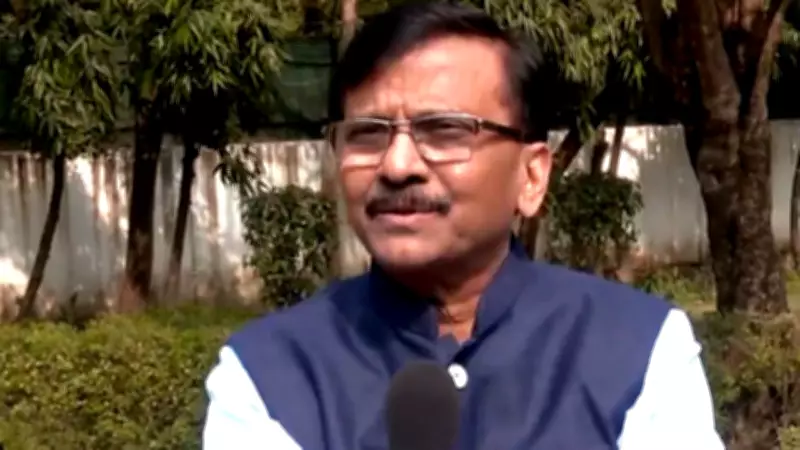
In a significant political revelation, Shiv Sena leader Sanjay Raut has made startling claims regarding the internal dynamics of the Nationalist Congress Party. According to Raut, certain individuals from the faction led by Deputy Chief Minister Ajit Pawar actively prevented efforts to reunite the divided NCP groups.
Obstacles to NCP Unity
Raut asserted that during discussions about potential reconciliation between the two NCP factions, representatives from Ajit Pawar's camp created substantial barriers. These individuals reportedly employed various tactics to stall or derail unification talks, complicating what many political observers saw as a crucial opportunity for party consolidation.
Sharad Pawar's Political Stance
Addressing widespread speculation about future political alignments, Raut categorically stated that Sharad Pawar is unlikely to form any alliance with the Bharatiya Janata Party, even if the two NCP groups eventually merge. This clarification comes amid intense political maneuvering in Maharashtra, where coalition dynamics remain fluid and unpredictable.

Broader Political Implications
The allegations highlight the continuing tensions within Maharashtra's political landscape, particularly regarding:
- The persistent rift within the NCP since its split
- The complex power equations between different political factions
- The strategic calculations ahead of future electoral contests
Raut's statements provide rare insight into the behind-the-scenes negotiations that have characterized Maharashtra politics in recent months. The claims suggest that personal and factional interests may have taken precedence over party unity, potentially affecting broader opposition coordination against the ruling alliance.
Context and Timing
These revelations emerge at a politically sensitive juncture, with various parties reassessing their strategies and alliances. The NCP split has been one of the most significant developments in Maharashtra politics, creating ripple effects across the state's political spectrum. Raut's comments underscore the challenges facing political consolidation efforts, even among ideologically aligned groups.
As Maharashtra continues to navigate its complex political terrain, such disclosures about internal party dynamics offer valuable perspective on the obstacles to opposition unity and the personal ambitions that often influence political decision-making at the highest levels.






