

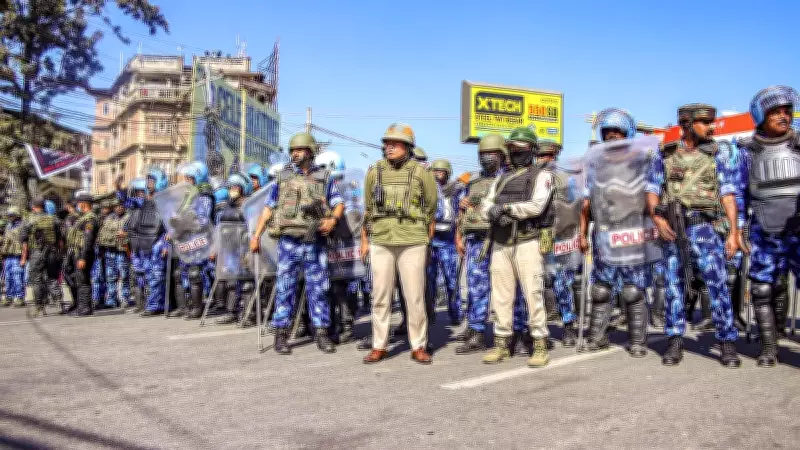
Manipur's people are not against any community but are opposing what they perceive as threats from illegal migrants who entered after 1951, according to Hareshwar Goshwani, a prominent figure in the state. In an interview, Goshwani clarified that the ongoing tensions in Manipur are not rooted in communal hatred but in concerns over demographic changes caused by undocumented immigration.
Clarifying the Stance on Migrants
Goshwani emphasized that the people of Manipur are fighting against the influx of post-1951 illegal migrants, not against any specific ethnic or religious group. He stated, "The people of Manipur are not against any community. They are against the threats from post-1951 illegal migrants." This distinction is crucial as the region has seen heightened tensions in recent months.
The reference to 1951 is significant because that year marks the cut-off date for citizenship in India's National Register of Citizens (NRC) process in Assam, and similar concerns have been raised in Manipur. Many indigenous groups fear that unchecked immigration could alter the state's demographic balance.

Context of the Conflict
Manipur has experienced sporadic violence and protests over the past year, often linked to disputes between the Meitei community, which is the majority in the Imphal Valley, and the Kuki-Zo tribal groups in the hills. However, Goshwani's remarks suggest that the core issue is not inter-community rivalry but the perceived threat from migrants who entered after India's independence.
According to data from the 2011 Census, Manipur's population includes a significant number of people who may not have proper documentation. Activists have long demanded a stricter implementation of citizenship laws to prevent illegal immigration. Goshwani added, "We want to protect our land and resources for our future generations. This is not about hatred but about survival."
Government Response and Legal Framework
The Indian government has taken steps to address these concerns, including the implementation of the Citizenship Amendment Act (CAA) in 2019, which fast-tracks citizenship for non-Muslim migrants from neighboring countries who arrived before 2015. However, critics argue that the act excludes Muslims and could exacerbate tensions.
Goshwani's comments come amid ongoing debates about the NRC and the National Population Register (NPR). He urged the government to conduct a thorough verification of residents in Manipur to identify illegal migrants. "We need a clear policy to deal with this issue. The government must listen to the voice of the people," he said.
Impact on Local Communities
The situation has led to economic disruptions, with businesses in some areas closing early due to security concerns. Schools and colleges have also faced closures during periods of unrest. Goshwani called for dialogue between all stakeholders to find a peaceful resolution.
He also appealed to the media to report accurately and avoid sensationalism. "The world should know that Manipur's people are not violent by nature. We are simply fighting for our rights and our identity," he concluded.






