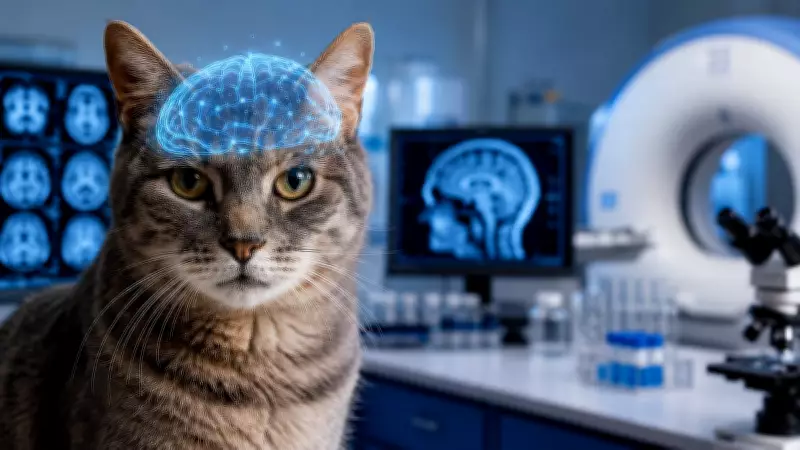
Study Reveals Cats Age Like Humans
A new study has found that cats age in a manner similar to humans, with brain changes that are commonly associated with ageing-related conditions. The research, published on 23 June 2026, suggests that felines could serve as a valuable model for understanding human ageing and related diseases.
Key Findings on Brain Changes
The study, conducted by researchers and reported by PTI, identified specific brain alterations in cats that parallel those seen in ageing humans. These changes are linked to conditions frequently observed in older individuals, such as cognitive decline and neurodegenerative disorders.
According to the scientists, the findings provide a new avenue for exploring the mechanisms of ageing and developing potential interventions. The similarities between feline and human ageing could accelerate research into therapies for age-related diseases.

Implications for Ageing Research
The researchers emphasized that cats naturally develop age-related brain changes, making them a promising model for studying the ageing process. This could lead to insights that benefit both human and veterinary medicine.
“This study opens up possibilities for using cats as a model to understand human ageing and test anti-ageing strategies,” said a researcher involved in the study. The team hopes that further research will uncover specific molecular pathways that could be targeted to delay ageing.
Future Directions
The study marks a step forward in comparative ageing research, highlighting the potential of domestic animals in scientific studies. Future work will focus on identifying biomarkers of ageing in cats and translating these findings to humans.