

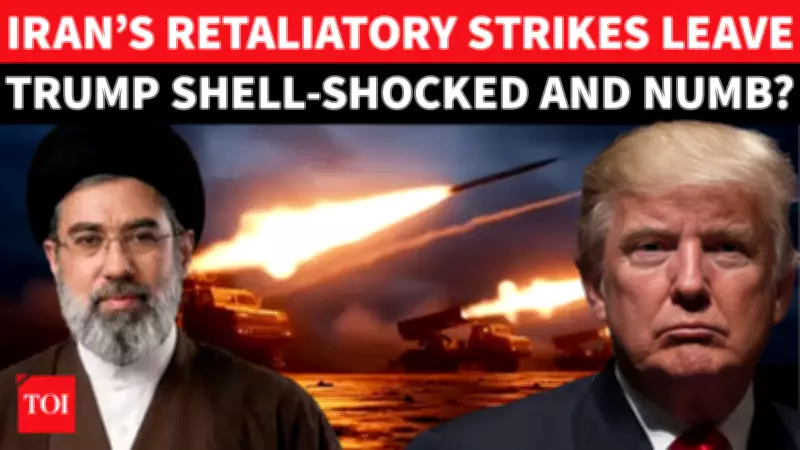
Trump Cries Foul Over Iranian Retaliation, Claims Lack of Warning
In a recent address to reporters, former U.S. President Donald Trump expressed strong criticism regarding the escalating conflict with Iran, asserting that he was not adequately briefed about Tehran's capabilities for retaliation. Trump emphasized that nobody had anticipated Iran would strike back with such force against the United States and its allies.
Defending the Termination of the Iran Nuclear Deal
Trump defended his decision to terminate the Iran nuclear deal, originally negotiated under the Obama administration, by claiming it was a necessary move to prevent catastrophic outcomes. He stated, If I did not 'terminate' Barack Obama's Iran nuclear deal, Israel would have been destroyed. This remark underscores his belief that his actions were crucial for regional security, particularly in protecting Israel from potential threats.
Context of the Escalating Conflict
The situation has intensified with reports of Iranian missiles targeting U.S. and allied positions, including incidents such as:

- Missile strikes on Israel, with explosions reported in Jerusalem.
- Attacks on U.S. fighter jet bases in the Gulf region.
- Rocket and drone assaults by Iran-backed groups like Hezbollah on Israeli towns.
These developments highlight the volatile nature of the conflict and the challenges faced by the U.S. and its partners in the Middle East.
International Reactions and Broader Implications
The conflict has drawn varied responses from the international community. For instance, China has reportedly taken a neutral stance, urging a cessation of hostilities rather than supporting U.S. efforts. Additionally, U.S. senators have raised concerns about military preparedness and the effectiveness of strategies against Iranian threats.
- Senator Slotkin criticized the U.S. military's handling of Iranian drones.
- Senator Hirono condemned strikes on civilian areas, questioning Trump's war tactics.
- Questions have been raised about Pentagon planning and resource allocation.
This ongoing crisis underscores the complex geopolitical dynamics in the region, with potential impacts on global stability and U.S. foreign policy.






