Trump Outlines Flexible Strategy for Iran Military Campaign
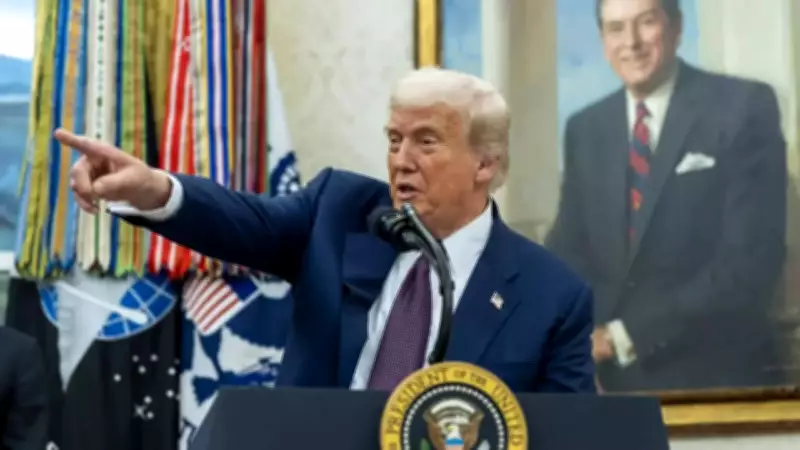
In a revealing interview from his Mar-a-Lago resort, former US President Donald Trump indicated he maintains multiple strategic options regarding the ongoing military campaign against Iran, suggesting the operation could conclude rapidly despite its extensive scope. Speaking with Axios in a five-minute phone conversation, Trump presented contrasting approaches: either extending the campaign to achieve comprehensive objectives or wrapping up strikes within days while issuing stern warnings to Tehran.
Two Distinct Paths Forward
"I can go long and take over the whole thing, or end it in two or three days and tell the Iranians: 'See you again in a few years if you start rebuilding [your nuclear and missile programs]," Trump stated during the interview. He further predicted that regardless of the chosen path, "it will take them several years to recover from this attack."
These comments provide the first substantial insight into Trump's strategic thinking about concluding the military operation and suggest he remains open to diplomatic solutions, even following the collapse of US-Iran nuclear negotiations in Geneva. A brief campaign followed by new ultimatums would represent a significantly different outcome than the regime change objectives described by some US and Israeli officials.

Domestic and Strategic Considerations
Trump faced considerable domestic pressure, including from his MAGA political base, to avoid prolonged military engagement in the Middle East. The former president cited two primary reasons for initiating the strikes against Iran:
- The failure of recent negotiations led by his envoys Steve Witkoff and Jared Kushner, with Trump noting "The Iranians got close and then pulled back — close and then pulled back. I understood from that that they don't really want a deal."
- Iran's historical conduct over several decades, with Trump revealing that while preparing his Friday attack announcement speech, he requested his team compile every Iranian-linked global attack from the past 25 years, stating "I saw that every month they did something bad, blew something up or killed someone."
Nuclear Facilities and Previous Operations
Trump additionally claimed that Iran had begun reconstructing some nuclear facilities damaged during last June's 12-Day War, when US and Israeli forces struck multiple sites. While independent analysts acknowledged building activity at certain nuclear locations, they stopped short of concluding Iran had resumed nuclear weapons development activities.
The former president repeatedly emphasized that his decision to launch "Operation Midnight Hammer" — which destroyed or significantly damaged three Iranian nuclear facilities — enabled the current military campaign. He argued that without those June strikes, Iran might have already developed nuclear weapons, making any subsequent attack impossible.
Operation Scope and Objectives
The US and Israel initiated what has been described as the most ambitious Middle East military operation in a generation, designed not merely to degrade Iran's military capabilities but to create conditions potentially leading to regime change. According to a senior US official, the operational plan envisioned a massive bombing campaign lasting at least five days.
However, Trump indicated to Axios that this timeline could adjust based on ground developments, including the fate of Supreme Leader Ali Khamenei, whom Israel targeted for assassination along with other senior Iranian officials. The military action has already produced significant regional consequences, with reports of missiles striking US navy headquarters in Bahrain and explosions heard in Abu Dhabi and Doha.
Regional and Global Implications
The conflict has created immediate international repercussions, including an AI Tel Aviv flight returning to India and Iranian attacks on US military bases across the Middle East under operation "Truthful Promise 4." These developments underscore the rapidly escalating nature of the confrontation and its potential to destabilize the broader region.

Trump's comments about multiple "off ramps" suggest ongoing strategic calculations about how to conclude military operations while achieving US objectives regarding Iran's nuclear and missile programs. The former president's willingness to consider both brief and extended campaign options reflects the complex balancing act between military objectives, domestic political considerations, and long-term strategic goals in the Middle East.