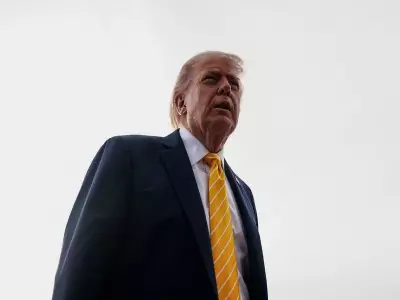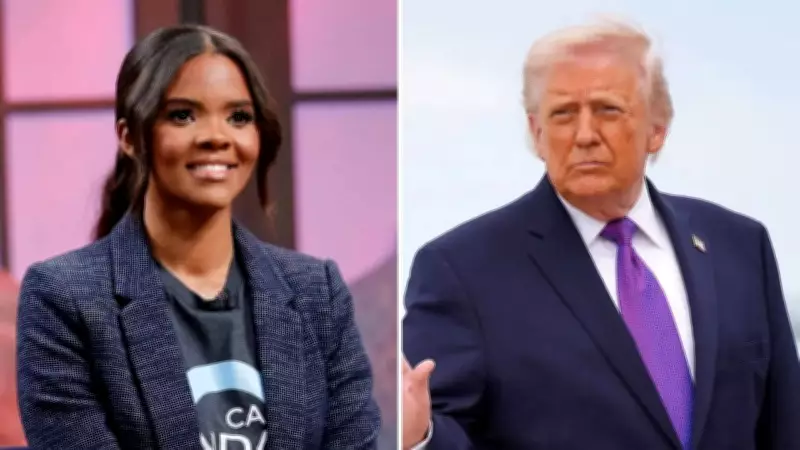
Trump and Owens: From Allies to Adversaries in a Conservative Civil War
The political right is currently experiencing a profound and unexpected split, one that few anticipated but is now unfolding in real-time. What began as a tense alliance between Donald Trump and Candace Owens has deteriorated into a public and deeply personal conflict, with their exchanges now transcending mere policy or ideological differences. This rift highlights a growing fracture within the conservative movement, moving beyond traditional debates into uncharted territory of personal animosity.
The Spark That Ignited the Firestorm
At the heart of this turmoil lies a sharp comment that has captured widespread attention. It all traces back to Donald Trump's public remarks, where he labeled Owens and others as having "Low IQs." This statement did more than just provoke a response; it triggered a full-length rebuttal from Owens that blended political criticism with intensely personal jabs. The feud quickly escalated from a harsh online post into a very personal battle, drawing in other prominent conservative voices and exposing the movement's internal divisions.
Owens' Jaw-Dropping Personal Attack
In response to Trump's criticism, Candace Owens used her platform to escalate the feud to uncomfortable new heights. During her show, she directly addressed Trump with provocative questions: 'Why are you so obsessed with Brigitte? You think you command people, straight men, to suddenly think Brigitte is hot. .. Are you gay? Why are you so obsessed? Why are you calling me about Brigitte from the White House?' Her comments did not stop there; in a more controversial turn, she added: 'Did you sleep with him when he was a man?' These statements, while not backed by evidence, shifted the focus away from policy disagreements to personal accusations, amplifying the intensity of the exchange.

Unresolved Issues and Historical Context
The fight also brought up old, unresolved issues, with Owens referencing Trump's past social ties, such as his friendship with Jeffrey Epstein, to illustrate what she perceives as a history of poor decision-making. Although these claims remain unproven, their inclusion demonstrates how quickly political arguments can become entangled with long-standing narratives, further complicating the discourse. This episode underscores the volatile nature of modern political feuds, where personal histories are often weaponized to undermine opponents.
The Broader Implications for the Conservative Movement
So far, Donald Trump has not directly responded to these comments, but the fallout continues to ripple through the political landscape. This conflict is more than just a temporary spat; it signifies a deeper split within a political space that was once characterized by relative agreement. The exchange has sparked intense debate not only about the individuals involved but also about the tone and direction of political discourse in the current climate. As conservative voices take sides, the movement faces a critical moment of introspection and potential realignment.
In summary, the Trump-Owens feud represents a pivotal moment for the conservative right, revealing underlying tensions that could reshape its future trajectory. With personal attacks overshadowing policy discussions, the movement must navigate these choppy waters to maintain cohesion and relevance in an increasingly polarized political environment.