

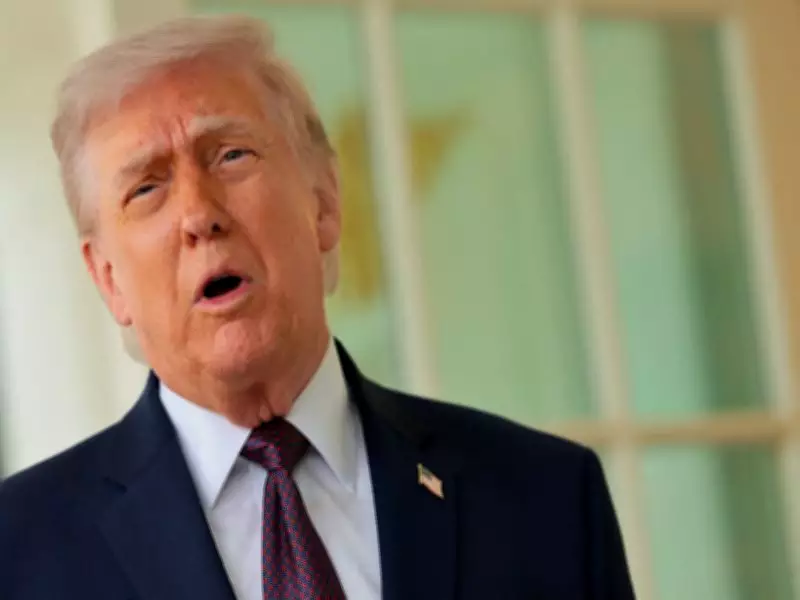
Trump Escalates NATO Critique, Casts Doubt on Alliance's Past and Future
Former United States President Donald Trump has reignited his longstanding criticism of the North Atlantic Treaty Organization (NATO), delivering sharp remarks that challenge the alliance's historical contributions and its prospective role in global security. In a recent statement, Trump asserted that NATO "wasn't there" in the past and suggested it "won't be in the future," amplifying concerns about the durability of US commitments to the transatlantic partnership. This latest attack comes amid ongoing geopolitical tensions and debates over defense spending, underscoring Trump's persistent skepticism toward multilateral institutions.
Historical Context and Trump's Previous Stance
Trump's renewed assault on NATO is not an isolated incident but part of a broader pattern of criticism that dates back to his presidency. During his term in office, he frequently lambasted NATO members for what he perceived as inadequate defense expenditures, urging them to meet the alliance's target of spending 2% of their GDP on military capabilities. His remarks often sparked diplomatic friction, with allies expressing unease over his transactional approach to security alliances. The current comments echo those themes, reinforcing his view that NATO has been historically unreliable and may not be a viable framework for future cooperation.
Implications for US Foreign Policy and International Relations
The resurgence of Trump's NATO criticism carries significant implications for US foreign policy and international stability. As a leading figure in the Republican Party and a potential candidate in future elections, his views could influence American strategic decisions, potentially weakening NATO's cohesion at a time when global challenges, such as conflicts in Europe and rising threats from adversarial nations, demand robust collective defense. Experts warn that such rhetoric might embolden rivals and undermine trust among allies, complicating efforts to address shared security concerns.

- Trump claimed NATO "wasn't there" historically, questioning its past effectiveness in crises.
- He suggested the alliance "won't be in the future," casting doubt on its long-term relevance.
- The criticism aligns with his prior demands for increased defense spending by member nations.
- These statements have reignited debates over US leadership and commitment to international alliances.
Reactions and Broader Debate
Responses to Trump's latest comments have been mixed, reflecting the polarized nature of discussions on US foreign policy. Supporters argue that his stance highlights legitimate concerns about burden-sharing and the need for NATO reform, while critics contend that it risks destabilizing a crucial alliance that has underpinned global security for decades. The debate extends beyond partisan lines, touching on fundamental questions about America's role in the world and the balance between national interests and collective defense obligations.
In summary, Donald Trump's renewed attack on NATO underscores ongoing tensions within the alliance and raises critical questions about its future trajectory. As geopolitical dynamics evolve, his remarks serve as a reminder of the fragile nature of international partnerships and the enduring impact of political rhetoric on global affairs.

