Trump Shares Article Proposing Naval Blockade on Iran as Potential Option
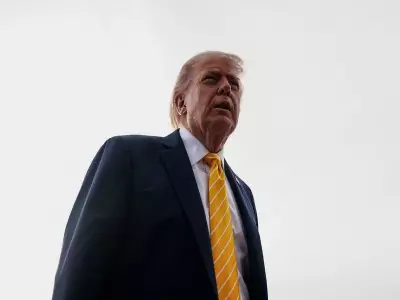
Former United States President Donald Trump has sparked renewed discussion in international circles by sharing an article that suggests enforcing a naval blockade on Iran as a viable strategic option. This move comes amid ongoing tensions in the Middle East and highlights Trump's continued influence on foreign policy debates.
Details of the Shared Article
The article, which Trump shared on his social media platform, outlines the concept of a naval blockade as a means to exert pressure on Iran. It argues that such a measure could be used to curb Iran's activities in the region, including its nuclear program and support for proxy groups. The piece does not explicitly endorse the blockade but presents it as a potential tool in the US foreign policy arsenal.
Context and Implications
This sharing occurs against a backdrop of heightened geopolitical strife, with Iran being a focal point of US foreign policy concerns for decades. A naval blockade, if implemented, would involve restricting maritime access to Iranian ports, potentially impacting its economy and military operations. Experts note that such actions could escalate tensions and have far-reaching consequences for global trade and security.

Reactions and Analysis
Political analysts and foreign policy experts have weighed in on Trump's action, with some viewing it as a signal of his hawkish stance on Iran, while others see it as part of a broader strategy to shape public discourse. The sharing has drawn mixed reactions, with supporters praising it as a strong approach and critics warning of the risks of military escalation.
Historical and Strategic Background
Naval blockades have been used historically as instruments of coercion in international conflicts. In the context of Iran, such a move would align with past US efforts to isolate the country economically and diplomatically. However, implementing a blockade would require careful consideration of international law and potential responses from other nations, including allies and adversaries.
Overall, Trump's sharing of this article underscores the ongoing debate over how to address Iran's role in the Middle East and reflects the complex dynamics of US foreign policy in the region.