

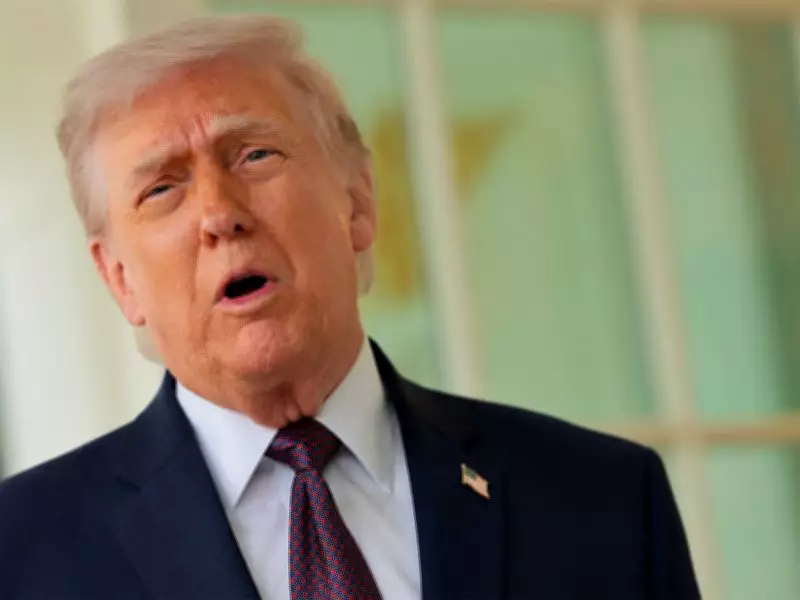
President Donald Trump has launched a scathing attack on the media, accusing news organizations of 'virtual treason' for their coverage of the escalating tensions with Iran. In a series of tweets and public statements, Trump claimed that journalists are undermining national security by allegedly broadcasting sensitive information and presenting a negative portrayal of his administration's policies.
Trump's Accusations
Trump specifically targeted major news networks, asserting that their reporting on the Iran situation is 'unpatriotic' and 'dangerous.' He argued that such coverage emboldens adversaries and weakens the United States' position on the global stage. The president's remarks have intensified the ongoing feud between his administration and the press, which he frequently labels as 'the enemy of the people.'
Media Response
In response, several media outlets defended their reporting, emphasizing the importance of a free press in a democracy. They argued that their coverage is factual and aimed at informing the public, not undermining the government. The White House Correspondents' Association issued a statement condemning Trump's language, calling it 'reckless and harmful to the principles of the First Amendment.'

Context of the Iran Conflict
The president's comments come amid heightened military tensions between the U.S. and Iran, following the killing of Iranian General Qasem Soleimani in a U.S. drone strike. The airstrike, ordered by Trump, has led to fears of a broader conflict in the Middle East. Critics have accused the administration of not fully briefing Congress before the strike, while supporters argue it was a necessary action to prevent imminent threats.
Legal and Ethical Implications
Legal experts have weighed in on Trump's use of the term 'virtual treason,' noting that treason is a specific crime defined in the U.S. Constitution. While the president's rhetoric may not carry legal weight, it raises concerns about the erosion of trust in media institutions. Some analysts suggest that such language could incite hostility against journalists, potentially endangering their safety.
The debate underscores the deep polarization in American society, where trust in media varies sharply along political lines. A recent Pew Research Center study found that only 27% of Republicans trust national news organizations, compared to 67% of Democrats.
As the situation with Iran continues to evolve, the clash between the Trump administration and the media shows no signs of abating. The president's latest salvo is likely to further inflame tensions, both domestically and internationally.

