Trump Issues Blunt Threat to Iran as Vance Engages in Critical Negotiations
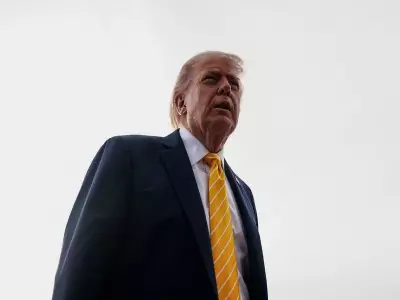
In a stark escalation of tensions, US President Donald Trump has explicitly threatened to resume the destruction of Iran if its leadership fails to reach a negotiated settlement. This warning comes as Vice President JD Vance initiates talks with an Iranian delegation, which remains steadfast in its demands, including the unfreezing of assets and other concessions from Washington.
No Progress Reported from Islamabad Talks
As of the latest updates, there has been no official word from Islamabad regarding any advancements in the discussions between Vance and the Iranian team. However, the United States has been vocal, with President Trump maintaining a relentless stream of social media activity throughout the negotiations. In his posts, he has targeted a wide array of entities, from Iran and European nations to his perennial foe, the "fake news media."
Trump's Social Media Barrage and Mixed Messages
Asserting that the US is militarily dominant and negotiating from a position of strength, Trump warned Iran to comply swiftly or face heightened conflict. "The Iranians don't seem to realize they have no cards, other than a short term extortion of the World by using International Waterways. The only reason they are alive today is to negotiate!" he declared in one post. In another, he criticized media outlets for suggesting US losses in the war, despite claims of having "demolished" Iran.

Many American analysts, including some from the MAGA movement, argue that Trump has been drawn into an unnecessary conflict, with Iran gaining an edge merely by enduring US assaults. Others contend that Iran holds moral superiority, especially following US attacks that resulted in civilian casualties, including school children.
Contradictions in Trump's Statements
While Trump boasted that the US has won the war and the Strait of Hormuz will soon reopen, his uncertainty surfaced in other posts. He highlighted that "empty ships are rushing to the United States to 'load up,'" indirectly acknowledging Iran's success in disrupting energy exports from the Gulf. "Massive numbers of completely empty oil tankers, some of the largest anywhere in the World, are heading, right now, to the United States to load up with the best and 'sweetest' oil (and gas!) anywhere in the World," he stated, promoting US energy resources.
Trump also mocked European countries for their lack of assistance in securing the Strait of Hormuz and expressed concern over fertilizer prices during the "fight for freedom in Iran," warning against price gouging—a nod to the crisis's impact on American farmers.
Domestic Criticism and Political Stakes
At home, Trump faces significant backlash for being drawn into a war with limited public support, allegedly influenced by Israel. Critics compare his erratic social media posts to senility, while supporters defend his actions as strategic "4-D chess" to assert American global dominance. His mention of monitoring fertilizer prices has been ridiculed, especially as reports indicate he plans to attend a UFC event in Miami this weekend, juxtaposed against Vance's diplomatic efforts.
Vance's Defining Political Gamble
For Vice President JD Vance, the mission in Pakistan represents a crucial political risk. Success—defined by stabilizing the ceasefire, reopening the Strait of Hormuz, and outlining a broader agreement—could propel him into the forefront of Republican presidential contenders. In a party where foreign policy experience is often lacking, brokering peace in a major conflict would provide a substantial advantage in future GOP primaries.
Conversely, failure carries severe consequences. If talks collapse or the ceasefire fails, Vance could be blamed for a diplomatic disaster and potential military escalation. Meanwhile, Trump continues to alternate between threats and overtures, underscoring that the negotiations are as much about brinkmanship as diplomacy.