Trump and Powell Clash Over Federal Reserve Independence
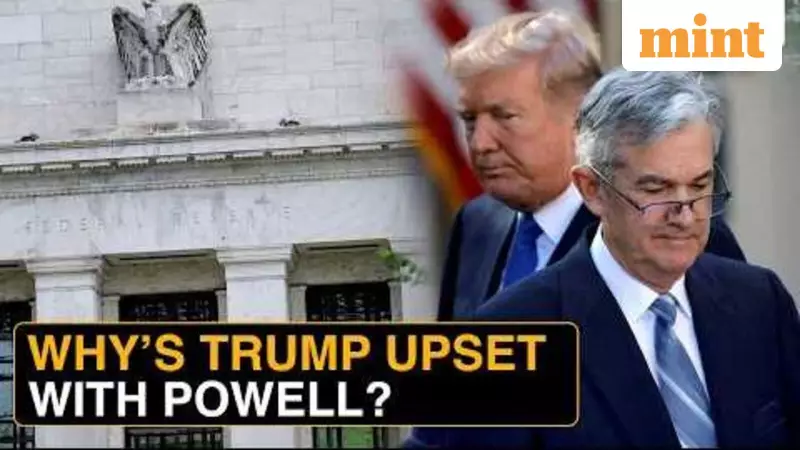
The ongoing confrontation between U.S. President Donald Trump and Federal Reserve Chair Jerome Powell has reached a new level of intensity. This conflict centers on fundamental disagreements about monetary policy direction and institutional autonomy.
Escalation of Legal Pressure
Federal Reserve Chair Jerome Powell revealed significant developments on Friday. The Department of Justice served the Federal Reserve with grand jury subpoenas. These legal documents threaten potential criminal indictment related to Powell's testimony before the Senate Banking Committee last June.
This action represents the most serious escalation in what has been a simmering conflict for months. The timing and nature of these legal maneuvers suggest a deliberate attempt to influence monetary policy decisions through institutional pressure.

Historical Context of the Conflict
The tension between the executive branch and the Federal Reserve is not entirely new. However, the current situation differs in both scale and public nature. Previous administrations typically maintained more diplomatic distance from central bank operations.
What makes this conflict particularly noteworthy is its public character. Both sides have made their positions clear through official statements and legal actions. This transparency creates additional challenges for maintaining institutional credibility.
Implications for Monetary Policy
The independence of the Federal Reserve serves as a cornerstone of U.S. economic stability. Central bank autonomy allows for decisions based on economic data rather than political considerations. This separation helps maintain market confidence and long-term economic planning.
Current developments raise legitimate concerns about whether this independence can withstand sustained political pressure. Market observers worry that perceived erosion of Fed autonomy could impact investment decisions and economic forecasting.
Potential Outcomes and Scenarios
Several possible paths forward exist for this institutional conflict:
- Legal Resolution: The grand jury process could lead to formal charges or dismissal of the investigation
- Political Compromise: Both parties might seek middle ground through negotiation
- Institutional Resistance: The Federal Reserve could maintain its traditional independence despite pressure
- Policy Impact: Monetary decisions might reflect political considerations more prominently
The situation continues to evolve rapidly. Financial markets and policy analysts monitor developments closely for signals about future monetary policy direction. The fundamental question remains whether institutional safeguards can protect central bank independence during periods of political tension.
This conflict represents more than just personal disagreement between two powerful figures. It touches on foundational principles of economic governance in the United States. The outcome could establish important precedents for future relationships between presidential administrations and independent regulatory bodies.