Trump's Belligerent Warning to Iran: 'Take The Oil and Destroy'
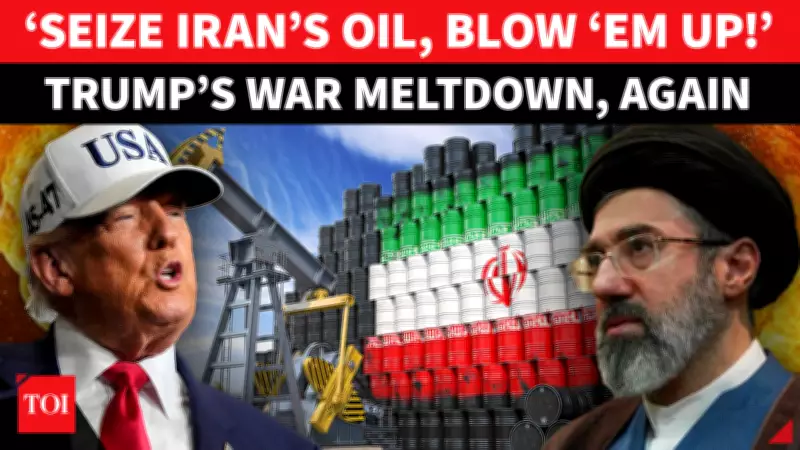
In a dramatic escalation of rhetoric surrounding the ongoing Iran conflict, US President Donald Trump has issued a stark warning, stating he is considering "taking over" Iran's oil resources if diplomatic negotiations collapse. This statement, made during recent media interviews, underscores both the immense economic stakes involved and the increasingly aggressive tone of American messaging as military losses mount in the region.
Economic Leverage and Military Threats Intertwined
President Trump directly linked potential military escalation to control over Iran's vast energy reserves, framing oil not just as leverage but as a primary objective in the conflict. While suggesting that a deal with Tehran could be reached soon, he warned of severe consequences should talks fail, describing the outcome as potentially "catastrophic" for Iran. The comments included ominous references to the possibility of large-scale strikes, reflecting a broader pattern in US policy that alternates between signals of diplomacy and threats of overwhelming force.
Context of Mounting Military Losses
Trump's remarks come against a backdrop of significant military engagements and losses in the region. Recent reports detail intense confrontations, including:

- The recovery of a missing US F-15E fighter jet following a heavy gunfight between Iranian forces and American commandos
- Iranian claims of shooting down multiple aircraft, including an Israeli F-16 and several American jets and helicopters
- Hezbollah's alleged use of Russian drone technology against Israel, resulting in IDF casualties
- Continued Houthi strikes in southern Israel, with sirens blaring in strategic locations like Beersheba
These developments highlight the expanding nature of the conflict and the substantial risks involved for all parties. Trump's oil seizure threat represents both an economic pressure tactic and a potential justification for further military action, should diplomacy fail to produce results acceptable to the United States.
Regional Implications and International Response
The president's comments have sparked concerns about broader regional destabilization. Iran has previously responded defiantly to US threats, with officials dismissing what they called "fake" ceasefire claims and warning that the strategic Strait of Hormuz "won't open" under pressure. The situation remains volatile, with multiple flashpoints including the Red Sea region experiencing renewed tensions.
As the conflict continues to evolve, Trump's alternating approach of diplomatic overtures coupled with severe threats creates uncertainty about America's ultimate objectives and strategy. The explicit connection between military action and control of energy resources marks a significant development in how the United States frames its interests in the Middle East, with potentially far-reaching consequences for global oil markets and international relations.