

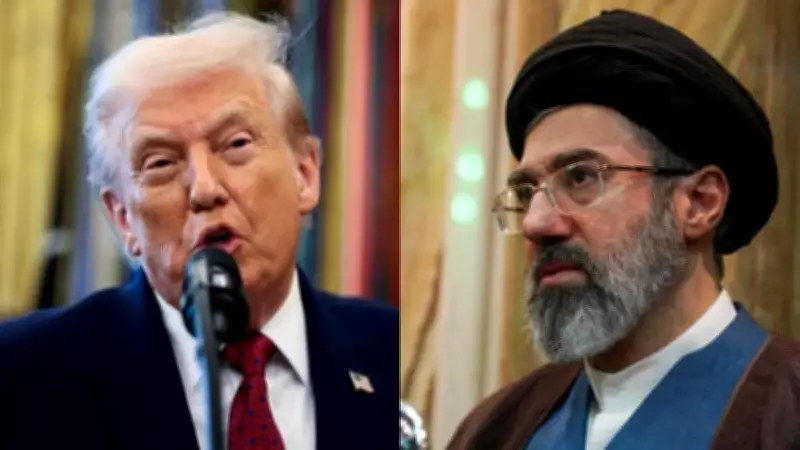
Donald Trump Proposes Comprehensive 15-Point Peace Plan to Iran
In a significant diplomatic move, former United States President Donald Trump has formally submitted a detailed 15-point peace proposal to the Islamic Republic of Iran. This ambitious plan is designed to de-escalate the ongoing crisis in West Asia and establish a framework for lasting stability in the volatile region.
Key Components of the Trump Peace Initiative
The cornerstone of Trump's proposal is the implementation of an immediate, month-long ceasefire between Iran and its regional adversaries. This temporary halt in hostilities is intended to create a conducive environment for substantive negotiations and confidence-building measures.
Among the most critical elements of the plan is a comprehensive section addressing Iran's nuclear program. Trump's proposal explicitly calls for Iran to commit to a "no nuclear weapons" policy, marking a potential shift in Tehran's strategic posture. While specific details remain undisclosed, this component represents a significant demand that could reshape regional security dynamics.

Trump Claims Iranian Concessions on Energy and Maritime Security
In a notable development, Donald Trump has publicly asserted that Iran has already made substantial concessions in two key areas as part of preliminary discussions. According to Trump, these concessions involve:
- Non-Nuclear Energy Cooperation: Iran has reportedly agreed to collaborate on non-nuclear energy projects, though the exact nature and scope of these initiatives remain unspecified.
- Strait of Hormuz Security: Tehran has allegedly made commitments regarding the security and freedom of navigation through the strategically vital Strait of Hormuz, a critical global oil transit chokepoint.
Despite these claims, Trump has not provided concrete evidence or detailed explanations of what these Iranian concessions entail, leaving many observers skeptical about their substance and implementation.
The Central Question: Will Tehran Accept the Proposal?
The ultimate success of Trump's 15-point peace plan hinges entirely on Iran's willingness to engage with its terms. Tehran has historically maintained a cautious and often adversarial stance toward American-led diplomatic initiatives, particularly those originating from figures like Trump who previously pursued a "maximum pressure" campaign against Iran.
Several factors will likely influence Iran's decision-making process:
- The specific details of the nuclear de-escalation requirements
- The economic and political benefits Iran might gain from the proposed ceasefire
- Regional allies' positions and potential pressure from international stakeholders
- Domestic political considerations within Iran's complex governance structure
As of now, Iranian officials have not issued an official response to Trump's proposal. The coming weeks will be crucial in determining whether this initiative represents a genuine breakthrough in West Asian diplomacy or merely another chapter in the long-standing tensions between Washington and Tehran.
The international community watches closely as this development unfolds, recognizing that any meaningful progress in Iran-US relations could have far-reaching implications for regional stability, global energy markets, and non-proliferation efforts worldwide.






