Trump's Profane Outburst Against Iran Signals Deep Frustration
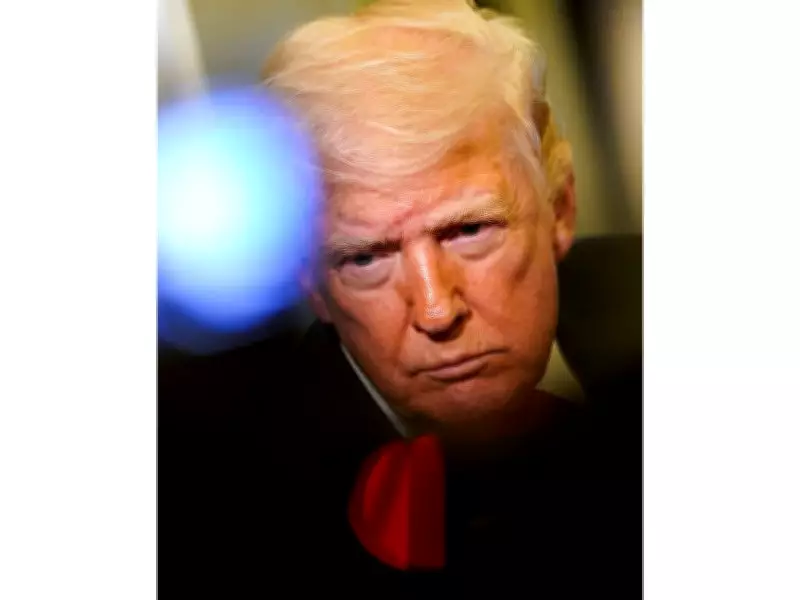
Former United States President Donald Trump has recently made headlines with a profane and aggressive outburst directed at Iran, a move that political analysts and observers say sums up his mounting frustration over perceived failures in his administration's foreign policy. This incident, which occurred during a public speech, underscores the ongoing tensions between the US and Iran, a relationship that has been fraught with conflict and diplomatic challenges for decades.
Context of the Outburst
The outburst came in the context of Trump's continued criticism of the current US administration's handling of Iran-related issues. He used strong language to condemn Iran's government, accusing it of destabilizing activities in the Middle East and expressing anger over what he views as inadequate responses from US leaders. This is not the first time Trump has used provocative language, but the intensity and specificity of this profanity have drawn particular attention, highlighting his personal investment in the Iran policy debate.
Analysis of Trump's Frustration
Experts suggest that Trump's frustration stems from several key factors. Firstly, his administration's "maximum pressure" campaign against Iran, which included sanctions and diplomatic isolation, did not achieve its stated goals of curbing Iran's nuclear program or regional influence. Secondly, the current US government has pursued a more diplomatic approach, which Trump perceives as weak and ineffective. This contrast has likely fueled his public outbursts, as he seeks to assert his legacy and critique his successors.

- Trump's "maximum pressure" policy failed to yield significant concessions from Iran.
- Ongoing nuclear negotiations and regional conflicts continue to challenge US-Iran relations.
- Trump's personal style often involves using blunt language to express political grievances.
Implications for US-Iran Relations
This outburst could have broader implications for US-Iran relations. While Trump is no longer in office, his influence within the Republican Party and among his supporters means that his words can shape public opinion and political discourse. By using profanity, he may be attempting to rally his base and pressure current policymakers to adopt a harder line against Iran. However, such rhetoric could also escalate tensions, making diplomatic efforts more difficult and potentially destabilizing the already volatile Middle East region.
Observers note that Trump's language reflects a deeper pattern of using confrontational tactics in foreign policy, which has both supporters and critics debating its effectiveness.Broader Political and Diplomatic Context
Beyond the immediate reaction, this incident highlights the complex interplay between domestic politics and international diplomacy in the US. Trump's outburst is part of a larger narrative where former leaders continue to influence foreign policy debates, often through public statements and media appearances. In the case of Iran, this adds another layer of complexity to ongoing negotiations and regional security issues, as policymakers must navigate both international pressures and domestic political dynamics.
In summary, Donald Trump's anti-Iran profanity outburst is more than just a moment of anger; it is a manifestation of his deep-seated frustration over policy outcomes and a reflection of the enduring challenges in US-Iran relations. As the situation evolves, such incidents will likely continue to shape the political landscape, underscoring the need for careful diplomacy and strategic communication in addressing global conflicts.