

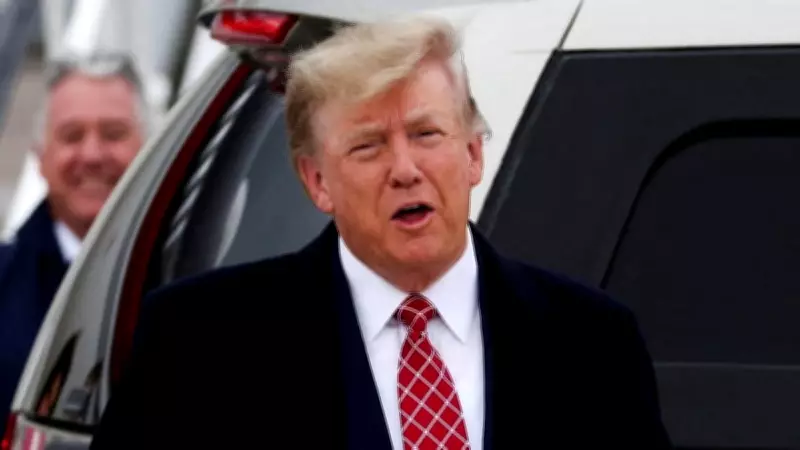
In a bold and provocative declaration, former US President Donald Trump has asserted his intent to "take" Cuba, stating, "I can do anything I want." This threatening rhetoric emerges against the backdrop of his previous aggressive actions in Venezuela and Iran, signaling a potential escalation in foreign policy confrontations.
Trump's Aggressive Foreign Policy Stance
The statement, made public recently, underscores Trump's unwavering approach to international relations, which has often been characterized by unilateral moves and strong-arm tactics. His comments on Cuba come as a stark reminder of his tenure's foreign policy blitzes, including military engagements and sanctions in regions like Venezuela and Iran.
Timing Amid Diplomatic Talks
Interestingly, this threatening posture coincides with a critical juncture in US-Cuba relations. Cuba and the United States have initiated talks aimed at improving their historically adverse and strained diplomatic ties. These discussions, which began in early 2026, represent a fragile effort to mend fences and foster cooperation after decades of hostility.

The timing of Trump's remarks raises concerns among diplomats and analysts, as such statements could potentially derail the progress made in these sensitive negotiations. The talks, facilitated by intermediaries, have been seen as a glimmer of hope for normalizing relations, but Trump's intervention threatens to reintroduce elements of unpredictability and conflict.
Historical Context and Implications
Trump's reference to his ability to "do anything" echoes his past actions, where he has not shied away from deploying military force or imposing harsh economic sanctions. In Venezuela, his administration supported opposition leaders and imposed crippling sanctions, while in Iran, he withdrew from the nuclear deal and authorized strikes, heightening tensions in the Middle East.
Applying this mindset to Cuba could involve renewed sanctions, military posturing, or other coercive measures, which would likely exacerbate the already tense situation. Cuba, long subjected to US embargoes and political pressure, might face further isolation or economic hardship if Trump's threats materialize.
Global Reactions and Future Outlook
International observers are closely monitoring the situation, with many expressing alarm over the potential for renewed conflict. The global community, including allies and adversaries, is wary of Trump's unpredictable foreign policy, which could destabilize regions and undermine diplomatic efforts worldwide.
As the US-Cuba talks continue, the shadow of Trump's ambitions looms large, casting doubt on the prospects for a peaceful resolution. Stakeholders are urging caution and dialogue, emphasizing the need for stable and constructive international relations over confrontational approaches.
In summary, Donald Trump's latest comments on Cuba, framed by his past actions in Venezuela and Iran, pose a significant challenge to ongoing diplomatic efforts. The world watches with bated breath as these developments unfold, hoping for a path forward that prioritizes peace and cooperation over aggression and domination.






