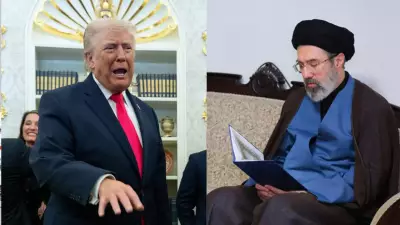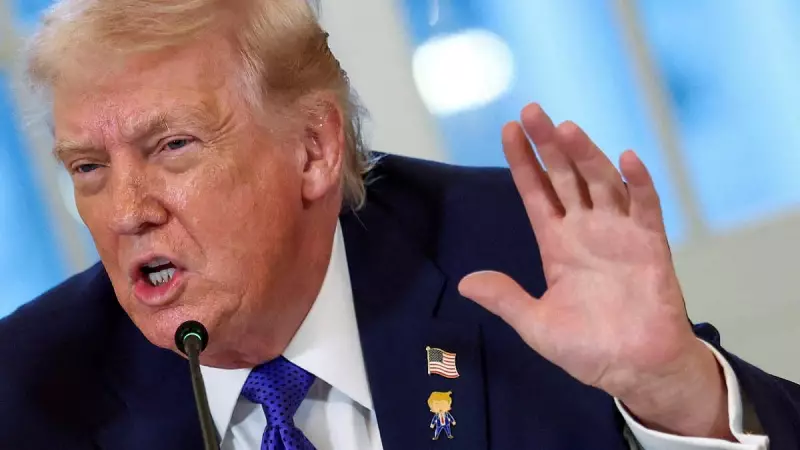
Former US President Donald Trump has issued a stark warning to Cuba, urging its leadership to strike a deal 'before it's too late'. This comes as the long-standing economic lifeline from Venezuela, in the form of oil shipments and financial aid, has reportedly come to an end.
Cuba's Precarious Economic Situation
According to a view held by the Central Intelligence Agency (CIA), key pillars of the Cuban economy are under severe pressure. Sectors like agriculture and tourism are described as 'severely strained'. This crisis is fueled by a combination of internal and external challenges that have converged to create a perfect storm.
The nation grapples with frequent and disruptive blackouts that hamper production and daily life. On the international front, ongoing trade sanctions continue to isolate the island nation, limiting its access to global markets and essential goods. The loss of subsidised oil from Venezuela, a crucial ally for decades, has removed a fundamental prop for Cuba's energy and transportation sectors.

Trump's Ultimatum and Regional Shifts
Donald Trump's public statement, reported on 11 January 2026, frames this moment as a critical juncture for the Cuban government. His warning suggests that the withdrawal of Venezuelan support, a relationship that has sustained Havana through previous hardships, has created a unique window for potential diplomatic or economic negotiations.
The nature of the 'deal' Trump references remains unspecified, but it is widely interpreted in the context of his previous administration's hardline stance towards the communist-led government. The call appears to leverage Cuba's newly heightened vulnerability following the collapse of its primary external economic support system.
Implications and Future Outlook
The convergence of these factors presents one of the most significant challenges to Cuba's economic model in recent years. The strain on agriculture threatens food security, while problems in tourism, a major source of foreign currency, could lead to deeper financial crises. The government now faces the immense task of seeking new partners or making internal adjustments to stabilise the situation.
Analysts will be watching closely to see if this economic pressure translates into any political shifts or opens the door for renewed dialogue with Western nations. The situation remains fluid, with the well-being of the Cuban population hanging in the balance as the leadership navigates this period of acute scarcity and external pressure.