Trump's Greenland Gambit Raises Alarm Over NATO's Stability
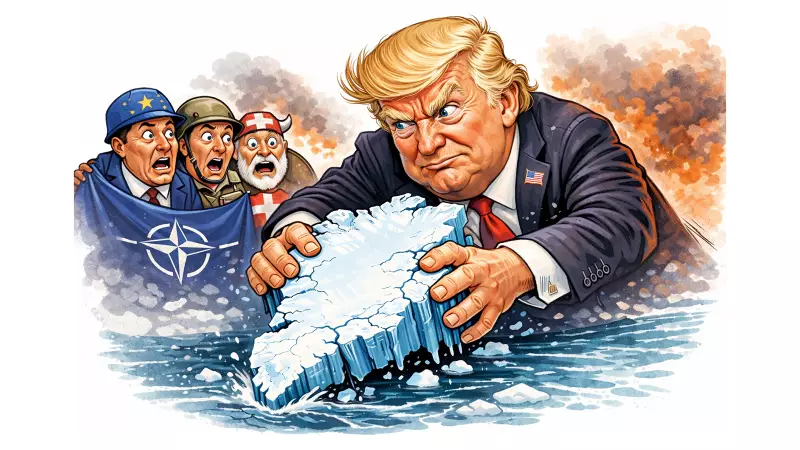
Former US President Donald Trump's repeated threats to seize Greenland have sent shockwaves through international circles. Analysts now warn this move could potentially unravel the North Atlantic Treaty Organization (NATO), the globe's premier security alliance. Trump's fascination with the icy territory is not new, but its implications are growing more serious by the day.
Why Greenland Matters to Trump
Trump has openly expressed interest in purchasing Greenland, citing its strategic location and vast natural resources. He views it as a real estate deal for the United States. However, Denmark, which governs Greenland, has firmly rejected these overtures. This standoff highlights a deeper clash of interests that extends far beyond a simple land transaction.
The former president's approach has been blunt and confrontational. He reportedly considered the idea seriously during his tenure, even suggesting it could be a great acquisition. This mindset disregards Greenland's autonomous status and the wishes of its people, who value their independence and cultural heritage.

NATO's Fragile Unity at Stake
NATO, formed in 1949, relies on mutual trust and cooperation among its member states. Trump's actions threaten to erode this foundation. By pressuring an ally like Denmark over Greenland, he risks creating divisions within the alliance. Such tensions could weaken collective security efforts at a time when global threats are on the rise.
Experts point out that NATO's strength lies in its unity. If one member feels bullied or undermined, it sets a dangerous precedent. Other countries might question their commitment, leading to a potential breakdown in the alliance's effectiveness. This scenario is particularly concerning given ongoing conflicts and geopolitical rivalries worldwide.
Global Repercussions of a Weakened Alliance
A destabilized NATO would have far-reaching consequences. It could embolden adversaries and reduce the West's ability to respond to crises. Security in Europe and beyond might become more precarious, affecting millions of people. The alliance has been a cornerstone of international stability for decades, and its erosion would mark a significant shift in global power dynamics.
Moreover, Trump's tactics reflect a broader trend of unilateralism in US foreign policy. This approach contrasts sharply with the collaborative spirit that NATO embodies. As tensions simmer, the world watches closely to see how this situation unfolds and what it means for future security arrangements.
Looking Ahead: What's Next for NATO?
The Greenland issue is more than a territorial dispute; it's a test of NATO's resilience. Member states must navigate these choppy waters carefully to preserve the alliance's integrity. Diplomatic efforts and dialogue will be crucial in preventing further escalation.
In the end, the fate of NATO may hinge on how its members address internal challenges like this one. The world's biggest security alliance faces a critical moment, and its response could define international relations for years to come.