








Politics
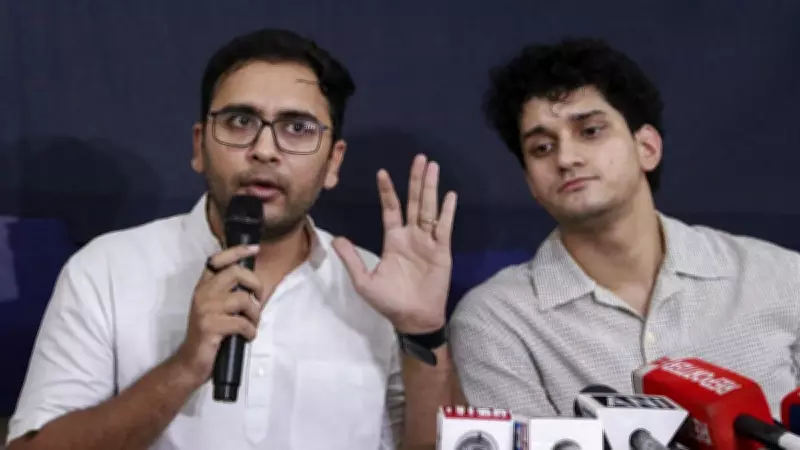
Karnataka Minister Ramalinga Reddy Resigns Over Portfolio Allocation
Karnataka Minister Ramalinga Reddy resigned from the cabinet on June 5, 2026, upset over portfolio allocation. He will continue as a Congress MLA.





World
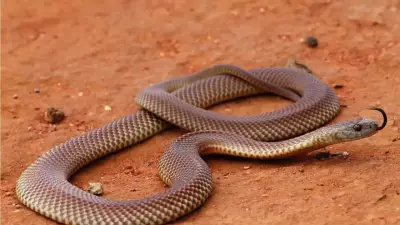
Victoria's Snake Hotspots: Where Encounters Are Most Common in Australia
Discover why Victoria has the most snakes in Australia, from wetlands to suburbs. Learn about hotspots like Gippsland, the Yarra Valley, and safety tips.



Entertainment

Veteran Actor James Handy, 81, Stabbed to Death at Home in Tarzana
James Handy, known for 'Jumanji' and 'Top Gun: Maverick', was murdered at his Tarzana home. Police arrested Michael Gledhill, son of Handy's girlfriend, on suspicion of murder. Bail set at $2 million.



Business
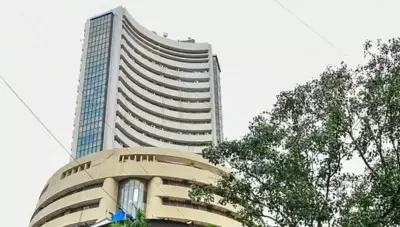
Sensex Surges 269 Points, Nifty Near 23,500 Ahead of RBI MPC Decision
Indian stock markets opened higher on June 5, with Sensex jumping 269 points and Nifty near 23,500, as investors await the RBI MPC decision today.





Lifestyle





Technology

US Shuts Loophole in Nvidia AI Chip Exports to China
The US Commerce Department closed a loophole that may have allowed hundreds of thousands of Nvidia's advanced AI chips to reach Chinese companies via overseas subsidiaries, clarifying export rules.

Free Fire MAX Redeem Codes June 05 2026: Claim Rewards
Garena Free Fire MAX redeem codes for June 05, 2026 are here. Unlock diamonds, skins, outfits and more. Redeem quickly on the official website before they expire.

Trump's Hair Drug Finasteride Missing from Medical Records
Finasteride, the drug linked to Trump's hair, has vanished from his medical records. Experts question transparency and health implications.

Man Ditches iPhone for Flip Phone, Uses Brain More
After a month with a flip phone, Nathan Covey shares how he remembers directions, calls more, and feels more present. His story sparks a debate on smartphone addiction.

EA College Football 27 Release Date and Gameplay Revealed
EA Sports has unveiled the release date for College Football 27, along with new Dynasty Mode details, defensive revamps, and early access info. The game launches July 9.
