Trump's Name Blitz: A Push to Stamp 'Donald J. Trump' Across America and Beyond
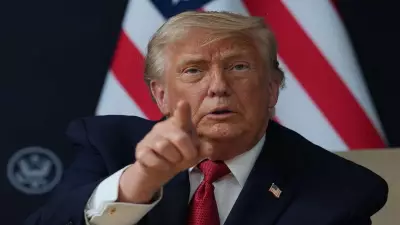
In a bold move that extends his influence far beyond the political arena, former US President Donald Trump is spearheading a concerted effort to have his name emblazoned across a wide array of American landmarks and institutions. This initiative, often referred to as a "name blitz," aims to cement Trump's legacy in the cultural and physical fabric of the United States, with potential implications that reach beyond its borders.
The Scope of the Name Campaign
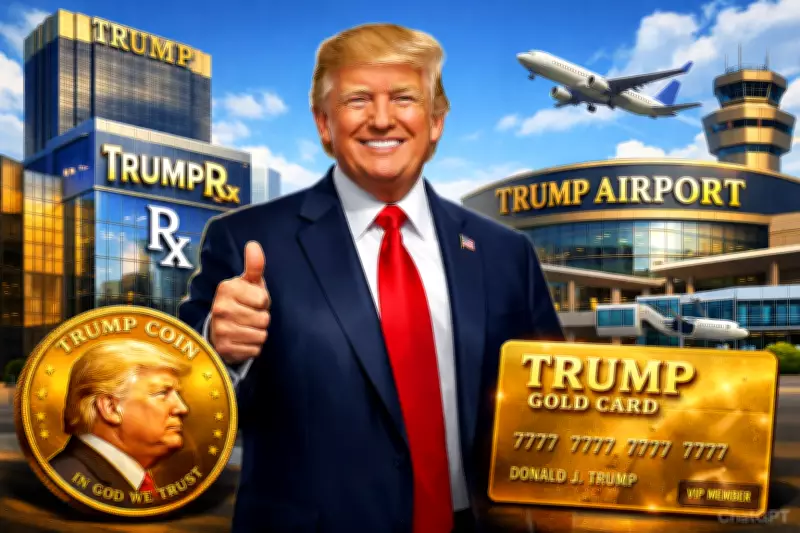
The campaign to stamp "Donald J. Trump" on America involves targeting various high-profile locations and entities. From public buildings and parks to educational institutions and corporate ventures, Trump's team is actively pursuing opportunities to associate his name with structures and projects that symbolize American identity and achievement. This strategy is not merely about vanity; it is a calculated effort to ensure that Trump's presence remains visible and influential long after his presidency has ended.
Historically, US presidents have often had their names attached to significant national sites, such as airports, libraries, and monuments, as a way to honor their contributions. However, Trump's approach is notable for its scale and ambition, seeking to embed his name in everyday American life in a manner that some observers describe as unprecedented for a modern president.

Beyond American Shores
While the primary focus of this name blitz is within the United States, there are indications that the effort may extend internationally. Trump's global business ventures and diplomatic engagements during his presidency have laid the groundwork for his name to appear on properties and initiatives abroad. This could include hotels, golf courses, and other commercial enterprises that bear the Trump brand, further amplifying his reach and impact on a worldwide stage.
The international dimension of this campaign raises questions about how Trump's name might influence perceptions of America in other countries. By associating his identity with American symbols overseas, Trump could shape foreign views of US culture and politics, potentially affecting diplomatic relations and global soft power.
Reactions and Implications
The push to stamp Trump's name across America has sparked a mix of reactions. Supporters argue that it is a fitting tribute to a president who they believe revitalized the nation's economy and standing in the world. They see it as a way to preserve his legacy and inspire future generations with his achievements.
Critics, however, view the campaign as an attempt to overshadow other historical figures and impose a personal brand on public spaces. They express concerns that it could politicize neutral institutions and create divisions in communities where Trump's presidency was controversial. Some also worry about the financial and ethical implications, particularly if public funds are involved in renaming or branding efforts.
From a broader perspective, this name blitz reflects deeper trends in American society, where the lines between politics, business, and culture are increasingly blurred. It highlights how modern leaders use branding strategies to maintain relevance and influence, even after leaving office. As Trump continues to be a dominant figure in US politics, his efforts to stamp his name on America may have lasting effects on how presidents are remembered and how national identity is constructed.
In conclusion, Donald Trump's campaign to have his name featured across America and beyond is a multifaceted initiative with significant cultural, political, and international ramifications. Whether seen as a legacy-building endeavor or a controversial branding exercise, it underscores the enduring impact of his presidency on the American landscape.