Trump's Davos Address Reignites NATO and Global Security Discussions
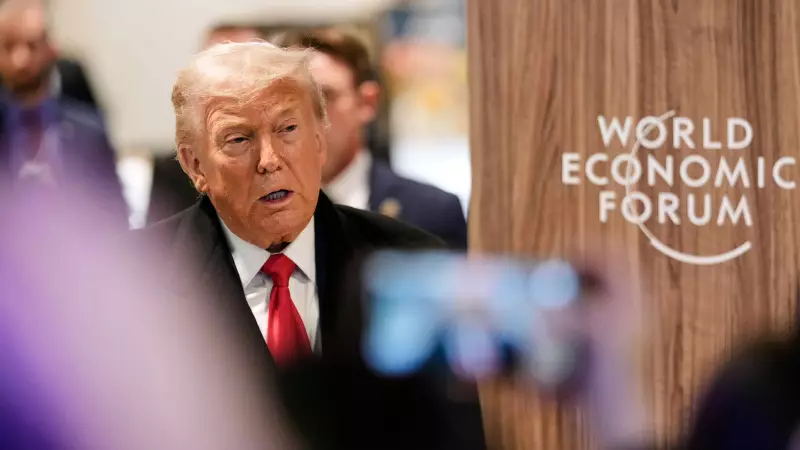
In a notable appearance at the World Economic Forum in Davos, former United States President Donald Trump delivered remarks that have once again thrust NATO and international security frameworks into the global spotlight. His comments, which touched upon the alliance's future and potential deal structures, have sparked widespread debate among policymakers, analysts, and world leaders.
Key Points from Trump's Davos Speech
During his address, Trump reiterated his longstanding concerns about NATO, emphasizing the need for member nations to fulfill their financial commitments. He argued that the alliance requires a more equitable burden-sharing model to ensure its effectiveness and sustainability. Trump's critique centered on what he perceives as disproportionate contributions from the United States compared to other member states.
Furthermore, Trump outlined a framework for future deals that could reshape international relations. He suggested that bilateral agreements might offer more flexibility and better serve national interests than multilateral pacts. This perspective aligns with his "America First" policy, which prioritizes direct negotiations over collective arrangements.

Global Reactions and Implications
The response to Trump's Davos speech has been mixed, reflecting the polarized views on his foreign policy approach. Supporters applaud his push for fiscal responsibility and sovereignty, while critics warn that undermining NATO could weaken global security architecture. European leaders, in particular, have expressed concern, noting that NATO remains a cornerstone of transatlantic defense.
Analysts highlight that Trump's comments come at a critical juncture, with ongoing conflicts in Ukraine and the Middle East testing alliance cohesion. The potential shift towards bilateral deal-making, as proposed by Trump, could fragment collective security efforts and alter geopolitical dynamics. This has led to renewed discussions about the balance between national interests and international cooperation.
Historical Context and Future Outlook
Trump's stance on NATO is not new; during his presidency, he frequently questioned the alliance's value and pressured allies to increase defense spending. His Davos remarks reinforce this continuity, suggesting that if he returns to power, similar policies might be pursued. The framework for future deals he mentioned could influence upcoming diplomatic negotiations, especially in trade and security domains.
Looking ahead, the debate ignited by Trump's speech is likely to persist, shaping discourse in forums like the G7 and UN. It underscores the evolving nature of global alliances in an era of rising nationalism and strategic competition. As world leaders grapple with these issues, the principles of mutual defense and shared responsibility will remain central to international relations.