

UK Parents' Medical Nightmare: Baby's Viral Misdiagnosis Leads to ICU and Collapsed Lung
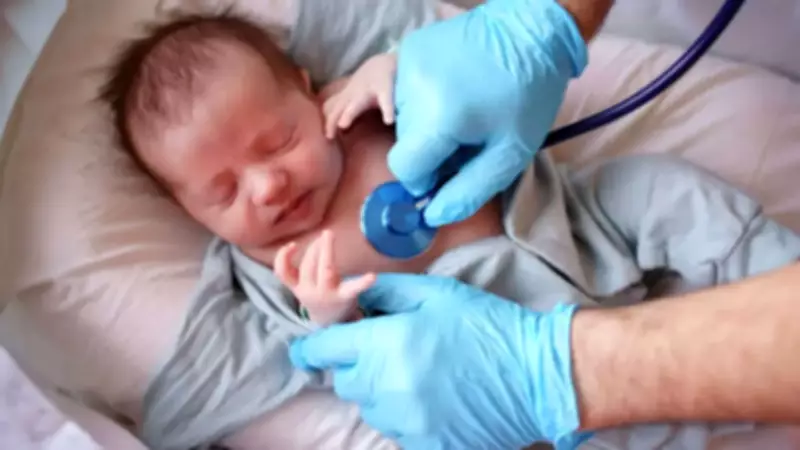
A young couple in the United Kingdom experienced a terrifying medical ordeal when their six-month-old son was repeatedly misdiagnosed with a simple viral infection, only to discover he had a life-threatening collapsed lung and pneumonia that required emergency intensive care. Charlie King and Abbie Rogers, the distressed parents, watched helplessly as their infant son Lennie suffered through months of respiratory distress before finally receiving the correct diagnosis and treatment that saved his life.
Months of Misdiagnosis and Parental Anguish
The parents first became concerned when they noticed their baby son Lennie developing regular colds and persistent chest infections. The infant's breathing became noticeably "rattly" and labored, particularly during nighttime hours when his distress seemed to intensify. Like any concerned parents, Charlie and Abbie immediately sought medical advice from their general practitioner, hoping for answers and relief for their suffering child.
Repeatedly, medical professionals assured the anxious parents that Lennie's symptoms were merely indicative of a common viral infection, likely contracted from exposure to other children at his nursery. "Doctors agreed it was viral and would clear on its own," Charlie King explained to The Mirror UK. "We put it down to the nursery where he was in contact with lots of other children."

Despite removing Lennie from the nursery environment, his health continued to deteriorate in exactly the same concerning pattern. For six agonizing months, the parents shuttled back and forth between medical appointments, each time receiving the same reassurances that nothing serious was wrong with their visibly suffering infant.
The Critical Turning Point and Emergency Hospitalization
After half a year of watching their baby struggle with breathing difficulties and consistent pain, Charlie and Abbie reached their breaking point. "We were back and forth with the doctors for months, and after being told yet again it was just viral, we decided enough was enough," the father recounted. In November 2022, they bypassed their regular medical providers and took Lennie directly to Queen Elizabeth Hospital for emergency evaluation.
The hospital assessment revealed a shocking reality that contradicted all previous medical opinions. Little Lennie, who had just celebrated his first birthday, was suffering from a collapsed lung accompanied by severe pneumonia—conditions that required immediate, life-saving intervention. Medical staff delivered the devastating news to the parents with sobering honesty: "You need to prepare for things to get worse before they get better."
"Getting that news, it was hard to process," Charlie admitted. "We were told he was the sickest child in the hospital." The medical team at Evelina London Children's Hospital performed two critical surgeries on the infant, procedures that ultimately saved his young life and set him on the path to recovery.
Recovery and Advocacy for Medical Awareness
Miraculously, Lennie responded remarkably well to the surgical interventions. "He perked up quickly after his operations," his relieved father reported. After a full year of regular medical check-ups and monitoring, the now-healthy toddler was officially "signed off completely" by his medical team, marking the end of a harrowing health journey that began when he was just six months old.
The traumatic experience has transformed Charlie and Abbie into passionate advocates for improved medical awareness and diagnosis protocols. Charlie King recently completed the London Marathon to raise funds for Evelina London Children's Hospital, the very institution that saved his son's life. Their campaign emphasizes the critical importance of persistent medical advocacy when initial diagnoses don't align with a patient's ongoing symptoms.

Broader Implications for Pediatric Healthcare
Cases like Lennie's highlight significant issues within healthcare systems worldwide. The Centers for Disease Control and Prevention recommends inclusive, multidisciplinary diagnostic approaches that actively engage patients and their families in the medical decision-making process. When consistent health concerns persist despite initial treatments, consulting multiple medical professionals becomes not just advisable but potentially life-saving.
While hospital visits can seem daunting, expensive, and time-consuming, they provide access to comprehensive diagnostic tools and specialist expertise that general practitioners may lack. This is particularly crucial for vulnerable populations including infants, young children, and elderly patients whose symptoms might mask serious underlying conditions.
The King-Rogers family's experience serves as a powerful reminder to all parents and caregivers: persistent symptoms deserve persistent investigation, even when initial medical opinions suggest otherwise. Their advocacy work continues to raise awareness about the importance of thorough diagnostic processes, especially when dealing with the delicate health of infants and young children.
