US Lawmaker Proposes Bill to Abolish H-1B Visa Program
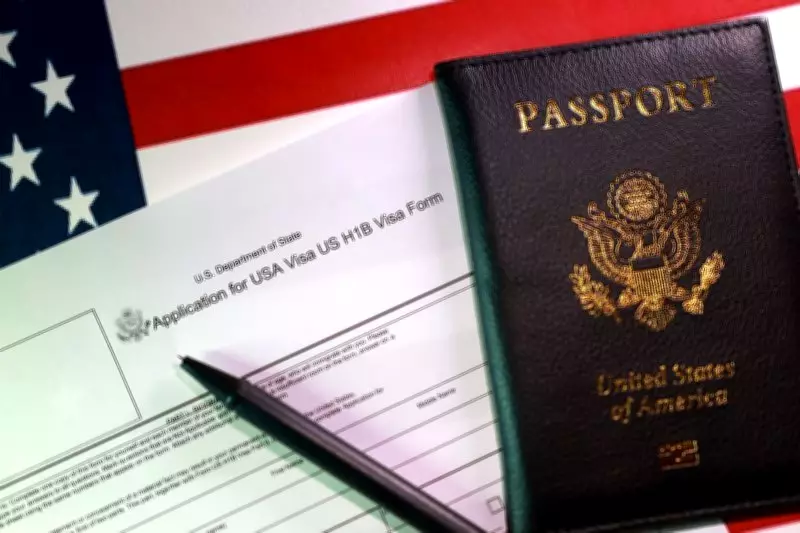
A United States lawmaker has introduced a new bill in Congress aimed at terminating the H-1B visa program, a long-standing initiative that allows American companies to hire skilled foreign workers in specialty occupations. The legislation, formally presented this week, seeks to end the program entirely, citing concerns over job displacement for American citizens and the broader impact on the domestic labor market.
Rationale Behind the Proposed Legislation
The bill's sponsor argues that the H-1B visa program has been exploited by corporations to replace American workers with cheaper foreign labor, leading to wage suppression and reduced employment opportunities for U.S. nationals. Proponents of the bill emphasize that protecting domestic jobs is a critical priority, especially in sectors like technology, engineering, and healthcare where H-1B visas are commonly utilized.
Key provisions of the legislation include:

- Immediate cessation of new H-1B visa applications upon enactment.
- Phasing out existing H-1B visas over a specified transition period.
- Implementing stricter oversight and penalties for companies found violating labor laws related to visa usage.
Potential Impacts on Industries and Immigration
If passed, this bill could have significant repercussions for various industries that rely heavily on H-1B visa holders to fill skill gaps. The technology sector, in particular, may face challenges in recruiting top talent, potentially affecting innovation and competitiveness. Additionally, the move could alter the landscape of U.S. immigration policy, shifting focus toward other visa categories or domestic workforce development.
Critics of the bill warn that abruptly ending the H-1B program might lead to talent shortages and hinder economic growth, while supporters contend it will foster job creation and wage increases for American workers.
Broader Context and Political Dynamics
This legislative effort comes amid ongoing debates in the U.S. over immigration reform and labor market policies. The H-1B visa program has been a contentious issue for years, with periodic calls for reform or elimination from various political factions. The bill's introduction reflects broader trends in U.S. politics toward prioritizing domestic employment and tightening immigration controls.
Stakeholders, including business groups, labor unions, and immigration advocates, are expected to engage in vigorous discussions as the bill progresses through congressional committees. Its fate will likely depend on bipartisan support and the evolving political climate surrounding immigration issues.